How PU Foam Sealant Prevents Air and Moisture Leaks
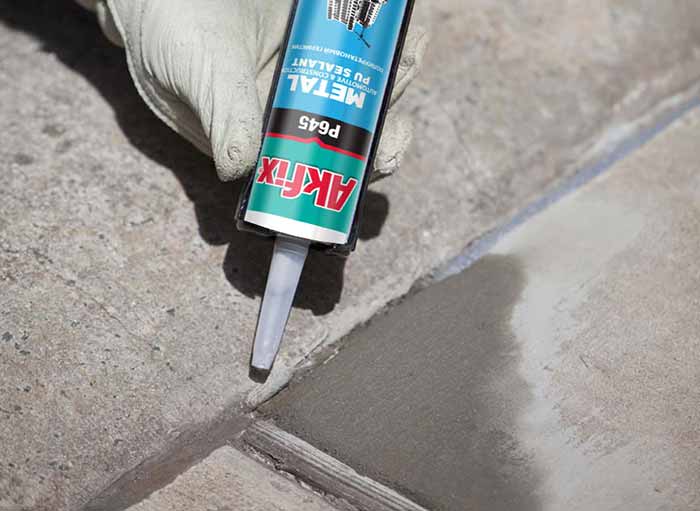
Air and moisture leaks are among the most common issues in buildings, leading to energy loss, reduced comfort, and potential structural damage. Sealing these gaps effectively is essential for maintaining indoor temperature, preventing water infiltration, and enhancing overall energy efficiency. One of the most effective solutions for tackling these problems is PU foam sealant. Its unique properties make it an ideal material for filling gaps, cracks, and cavities in both residential and commercial buildings.
The Mechanism of PU Foam Sealant
PU foam sealant is a polyurethane-based product that expands upon application, forming a dense and airtight barrier. As it cures, it adheres strongly to a variety of surfaces, including wood, metal, brick, and concrete. For those seeking dependable options, PU foam sealant is available in different formulations tailored for specific applications, such as window and door sealing, wall insulation, and pipe penetrations. Its expansion capability allows it to fill irregular gaps that traditional sealants may not cover effectively.
How PU Foam Sealant Prevents Air Leaks
Air leaks around doors, windows, and structural joints are a major source of energy inefficiency. PU foam sealant creates an airtight barrier that prevents unwanted airflow. By sealing these leaks, the foam reduces drafts and maintains consistent indoor temperatures, allowing heating and cooling systems to operate more efficiently. This results in lower energy consumption and improved comfort throughout the building.
Sealing air leaks also minimizes the infiltration of pollutants, dust, and allergens, contributing to healthier indoor air quality. The foam’s adhesion ensures a long-lasting seal, reducing the need for repeated applications or maintenance.
How PU Foam Sealant Prevents Moisture Leaks
Moisture infiltration can cause significant damage to building structures, including mold growth, wood rot, and corrosion of metal components. PU foam sealant acts as a barrier against water penetration by filling cracks, gaps, and voids. Its closed-cell structure is resistant to water absorption, effectively preventing moisture from seeping into walls, ceilings, or floors.
By controlling moisture, PU foam sealant helps protect insulation materials from degradation and maintains their thermal efficiency. Additionally, it reduces the risk of structural damage caused by repeated exposure to water, extending the lifespan of the building components.
Benefits of Using PU Foam Sealant for Leak Prevention
1. Energy Efficiency
Sealing air and moisture leaks directly impacts energy consumption. Buildings with fewer leaks require less heating in winter and less cooling in summer. PU foam sealant provides an effective solution to reduce energy loss, making it an environmentally friendly choice while lowering utility costs.
2. Enhanced Indoor Comfort
By preventing drafts and regulating indoor temperature, PU foam sealant improves comfort for occupants. It eliminates cold spots and maintains consistent thermal conditions across different rooms, creating a more enjoyable living or working environment.
3. Long-Term Durability
Once cured, PU foam maintains its structure and performance over time. Unlike some traditional sealants that may shrink, crack, or degrade, PU foam provides a durable seal that resists air and moisture infiltration for years.
4. Versatility
PU foam sealant can be used in a variety of applications, from sealing gaps around doors and windows to insulating rooflines, wall cavities, and pipe penetrations. Its ability to adhere to multiple surface types ensures comprehensive coverage in diverse situations.
Application Tips for Optimal Performance
To maximize the effectiveness of PU foam sealant in preventing leaks, follow these application tips:
- Surface Preparation: Clean and dry surfaces thoroughly before application to ensure proper adhesion.
- Controlled Application: Use a foam gun or nozzle for precise control, avoiding overfilling.
- Layering for Large Gaps: Apply in layers for deep cavities to prevent overflow and ensure complete coverage.
- Trimming Excess Foam: After curing, trim any protruding foam to allow for finishing work, such as painting or panel installation.
- Protective Measures: Wear gloves and protective clothing to avoid contact with uncured foam.
Conclusion
PU foam sealant is a highly effective solution for preventing air and moisture leaks in buildings. Its ability to expand, adhere, and form a durable barrier makes it ideal for enhancing energy efficiency, indoor comfort, and structural protection. By understanding its properties, selecting the appropriate foam type, and applying it correctly, homeowners and professionals can achieve long-lasting results, ensuring that their spaces remain well-insulated, dry, and comfortable for years to come.