Common Installation Mistakes to Avoid with Toyota Tundra Supercharger Kits
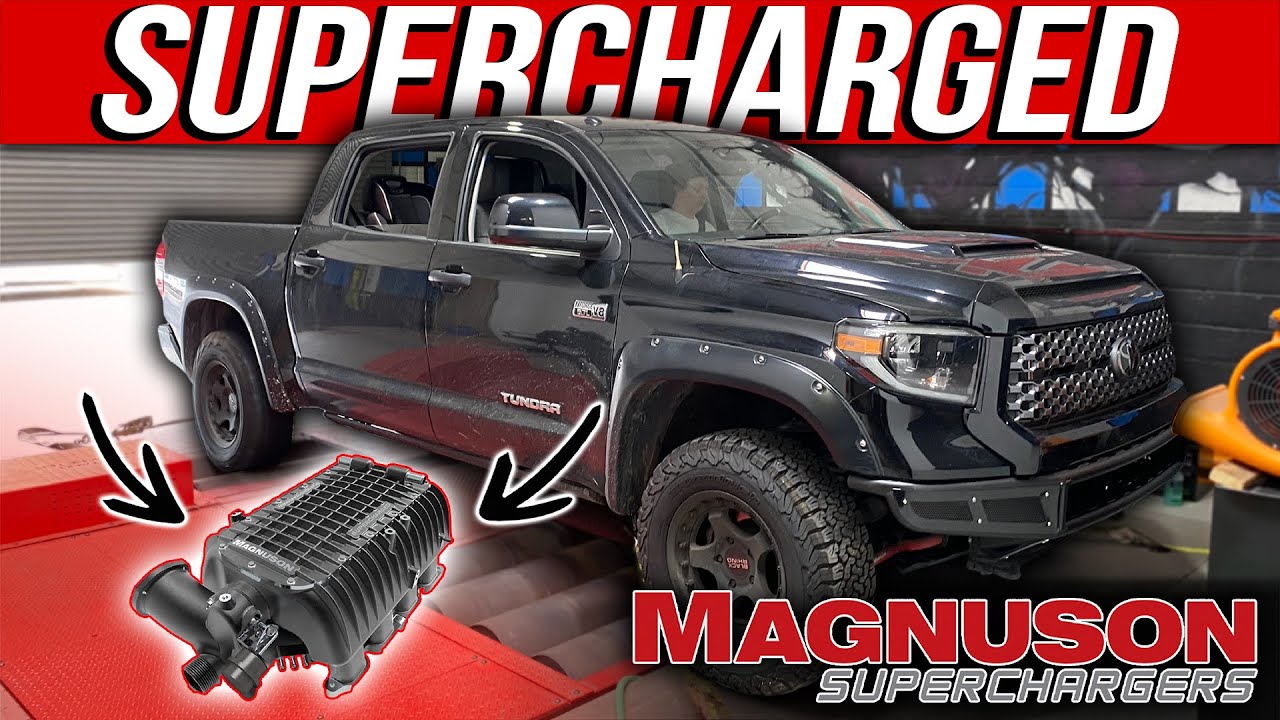
Installing a supercharger is one of the most effective ways to significantly enhance the performance of a Toyota Tundra. From increased horsepower to greater torque, a supercharger transforms the driving experience, especially for towing, hauling, and off-road demands. However, because this upgrade involves precise mechanical and tuning work, even small mistakes during installation can lead to serious performance issues or long-term engine damage. Understanding these common installation mistakes helps ensure that the upgrade delivers the power and reliability you expect.
A supercharger system increases the volume of air entering the engine, requiring proper fuel matching, secure component placement, and accurate calibration. Skipping steps, rushing the process, or overlooking details can compromise the entire setup. To avoid unnecessary complications, truck owners should approach the installation with careful planning and a clear understanding of required procedures.
Before beginning the upgrade, many drivers consider complete Toyota Tundra Supercharger Kits to ensure compatibility and minimize installation challenges. These kits are engineered specifically for the Tundra, reducing guesswork and simplifying the process. Even so, proper installation remains critical to achieving a reliable and efficient outcome.
Incorrect Belt Alignment and Tension
One of the most common mistakes during supercharger installation is improper belt alignment. The supercharger depends on a correctly routed and tensioned belt to deliver consistent boost. If the belt is misaligned or too loose, it may slip, squeal, or fail prematurely. Conversely, excessive tension can cause premature wear on pulleys and bearings.
Ensuring precise alignment using the kit’s supplied pulleys and brackets is essential. Technicians should double-check pulley positions, tensioner settings, and belt routing before completing the installation.
Skipping Fuel System Upgrades
Superchargers demand significantly more fuel than naturally aspirated engines. Failing to install upgraded injectors or fuel pumps included with the kit can cause the engine to run lean, creating dangerous conditions such as detonation or high cylinder temperatures.
Every component provided in the kit serves a purpose. Skipping even a single fuel-related upgrade undermines the performance and safety of the entire system. Proper tuning and fuel delivery are vital to maintaining engine health under boost.
Poor Intercooler or Heat Exchanger Installation
Many supercharger systems rely on intercoolers or heat exchangers to regulate intake temperatures. A common mistake occurs when these components are incorrectly mounted, loosely fitted, or improperly connected. Poor installation reduces cooling efficiency, leading to higher intake temperatures and reduced power output.
Ensuring tight connections, proper coolant routing, and secure mounting brackets helps maintain optimal thermal performance. Air pockets, leaks, or misaligned hoses can compromise the function of the entire cooling system.
Overlooking Vacuum and Boost Line Connections
Vacuum lines, sensors, and boost reference hoses are critical for accurate pressure readings and proper operation of the bypass valve. Incorrectly routing or loosely attaching these lines can result in erratic boost levels, idle issues, or tuning problems.
Careful labeling and routing during installation helps prevent mix-ups. Every connection should be inspected for tight seals to avoid leaks that may trigger engine codes or affect drivability.
Failing to Update or Calibrate the ECU
One of the biggest mistakes is neglecting proper tuning. The ECU must be recalibrated to accommodate the increased air volume and altered fuel requirements. Without correct tuning, the engine may experience misfires, knocking, or poor drivability.
Using the recommended tune included with the kit or working with a qualified tuner ensures precise air–fuel ratios and safe ignition timing. Running a supercharged engine on the stock tune is one of the fastest ways to cause internal damage.
Improper Torque on Fasteners and Brackets
A supercharger adds vibration and additional load to the engine bay. If bolts, brackets, or mounting hardware are not torqued to the specified values, components may shift, loosen, or fail over time.
Using a calibrated torque wrench and following the manufacturer’s specifications prevent these issues. Retorquing certain components after initial use is also recommended to maintain long-term stability.
Ignoring Cooling System Requirements
Increased power output means more generated heat. Failing to upgrade the cooling system, top off coolant levels, or properly bleed the system can lead to overheating, especially under load.
Technicians should pay careful attention to coolant routing, ensure the radiator is functioning properly, and verify that all air pockets have been removed from the system.
Not Performing a Thorough Post-Installation Inspection
After installation, it is essential to check for leaks, loose fittings, unusual noises, or error codes. Many problems reveal themselves only during the first few miles of operation. Skipping this step can allow minor issues to escalate into major mechanical failures.
A test drive followed by a detailed inspection ensures that every component is functioning as intended.
Conclusion
Avoiding common installation mistakes is crucial for getting the best results from a Toyota Tundra supercharger upgrade. Proper belt alignment, fuel system upgrades, cooling efficiency, secure connections, and accurate tuning all work together to create a powerful and reliable setup. By taking a careful, methodical approach and following the kit’s instructions precisely, truck owners can enjoy the benefits of enhanced performance without compromising the engine’s longevity or safety.