Safety Enhancements Offered by a Muslim Foot Washing Sink
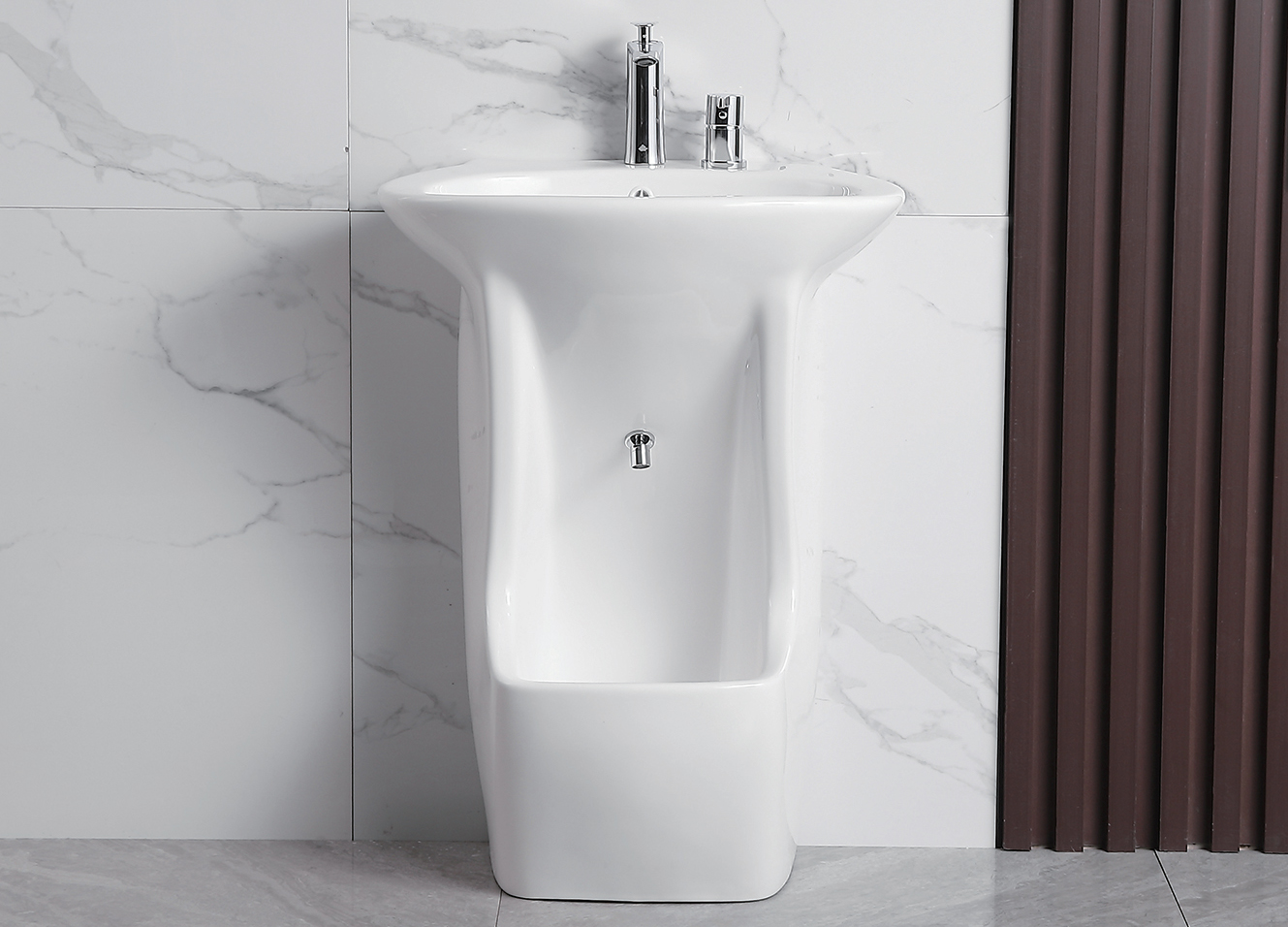
Safety is one of the most important considerations when performing wudu, particularly in environments where multiple people use the same space. Traditional bathroom fixtures are often not designed for foot washing, which can result in slips, falls, strained movements, and water-related hazards. A dedicated Muslim foot washing sink addresses these concerns by providing a stable, purpose-built solution that supports safer and more comfortable ablution practices.
Modern wudu sinks have evolved significantly, incorporating thoughtful design elements that prioritize user safety. Many advanced fixtures, such as the Muslim foot washing sink, offer specialized basin structures and ergonomic features that minimize risk while enhancing ease of use. Installing such a sink in a mosque, school, public facility, or even a home brings clear safety benefits for users of all ages.
Reducing Slip Hazards with Better Water Control
One of the biggest safety concerns during wudu is water splashing onto the floor. Wet floors greatly increase the risk of slipping, especially in shared environments like mosques or public restrooms. A properly designed wudu sink helps contain water by guiding it toward built-in drainage areas and preventing unnecessary splashback.
Raised platforms, angled basins, and controlled water flow all work together to keep the surrounding floors dry. This reduces the chance of accidental falls, making the entire ablution area safer for frequent use.
Ergonomic Design That Prevents Strain and Injury
Performing wudu using standard sinks often requires bending at awkward angles or lifting the legs higher than comfortable. These movements can strain the back, knees, or hips, especially for elderly users, children, or individuals with mobility limitations.
A dedicated Muslim foot washing sink is designed at a comfortable height, allowing users to wash their feet without overexertion. Some models include seating or footrests that support stable posture, easing the physical effort involved in the process. By promoting natural movements, these sinks help reduce the risk of muscle strain and discomfort.
Anti-Slip Surfaces for Secure Foot Placement
Slipping can occur not only on wet floors but also on smooth basin surfaces. To address this, many wudu sinks incorporate textured surfaces or slip-resistant foot platforms. These features provide secure footing, which is essential when lifting or placing the foot into the washing area.
Non-slip materials enhance stability, giving users confidence as they move through the steps of wudu. This is especially important in high-traffic areas where multiple individuals perform ablution throughout the day.
Safer Faucet Accessibility and Water Controls
Reaching for faucet handles or adjusting water flow can pose safety challenges when someone is balancing on one foot. Modern wudu sinks address this by offering easy-to-reach controls, sometimes with touchless or foot-operated faucets.
These intuitive features allow users to manage water flow without stretching or losing balance. They also help maintain hygiene by reducing the need to touch shared surfaces, which is beneficial in public or communal settings.
Enhanced Stability Through Supportive Features
Some foot washing sinks include built-in support elements such as grab bars, stable seating, or edge grips that provide additional stability during use. These are especially helpful for older adults or individuals who require assistance while standing or transitioning into a seated position.
Even simple design choices, such as rounded edges or reinforced support structures, contribute to overall safety by preventing injuries and ensuring that the sink remains sturdy during repeated daily use.
Minimizing Congestion in Shared Wudu Areas
Safety also depends on the overall layout of the ablution space. When multiple people attempt to perform wudu using regular sinks, congestion can occur, leading to tripping, bumping, or accidents. A dedicated wudu sink helps organize the area more effectively by giving users a clear, specialized space for foot washing.
This organization improves traffic flow, reduces crowding, and supports a safer ablution environment, especially in mosques during busy prayer times.
Cleaner Surroundings for Improved Health and Safety
A dedicated foot washing sink also contributes to general cleanliness, which plays a major role in maintaining safety. Cleaner floors mean fewer bacteria, less mold buildup, and fewer health risks associated with damp surfaces. Hygienic materials and smooth finishes on wudu sinks make them easier to clean and maintain, ensuring the environment remains sanitary.
By containing water effectively and minimizing splashing, these sinks support both physical safety and better hygiene standards for all users.
Conclusion
A thoughtfully designed Muslim foot washing sink offers far more than convenience—it provides essential safety enhancements that protect users from slips, strains, and other common risks associated with performing wudu in traditional bathroom setups. Whether installed in a mosque, public facility, or home, this specialized fixture supports a safer, cleaner, and more comfortable ablution experience. Through improved ergonomics, better water control, and reliable stability features, a dedicated wudu sink ensures that the act of purification remains both safe and accessible for everyone.