Exploring Antique Chenille Fabric and Its Historical Significance
Antique chenille fabric is a remarkable textile that combines history, craftsmanship, and timeless aesthetic appeal. Known for its plush texture and intricate designs, this fabric has been valued for centuries for both functional and decorative purposes. Its unique construction and visual richness continue to inspire designers and collectors in the modern era.
When studying traditional textile collections, many turn to specialized selections like Antique Chenille Fabric. These fabrics offer a glimpse into the artistry and techniques of past generations while highlighting the durability and versatility that make chenille a lasting material in home décor and fashion.
Origins and Historical Background
Antique chenille fabric traces its origins to 18th-century Europe, where skilled weavers developed the unique pile weaving technique that defines chenille. The name “chenille,” meaning caterpillar in French, reflects the soft, fuzzy surface that resembles the insect’s texture. Initially, chenille was used primarily for decorative textiles such as bedspreads, upholstery, and drapery, often featuring elaborate patterns and rich colors.
During the Industrial Revolution, advances in textile machinery allowed for wider production, bringing chenille into more households and expanding its applications. The antique pieces from this period remain highly sought after today for their craftsmanship and historical value.
Construction and Characteristics
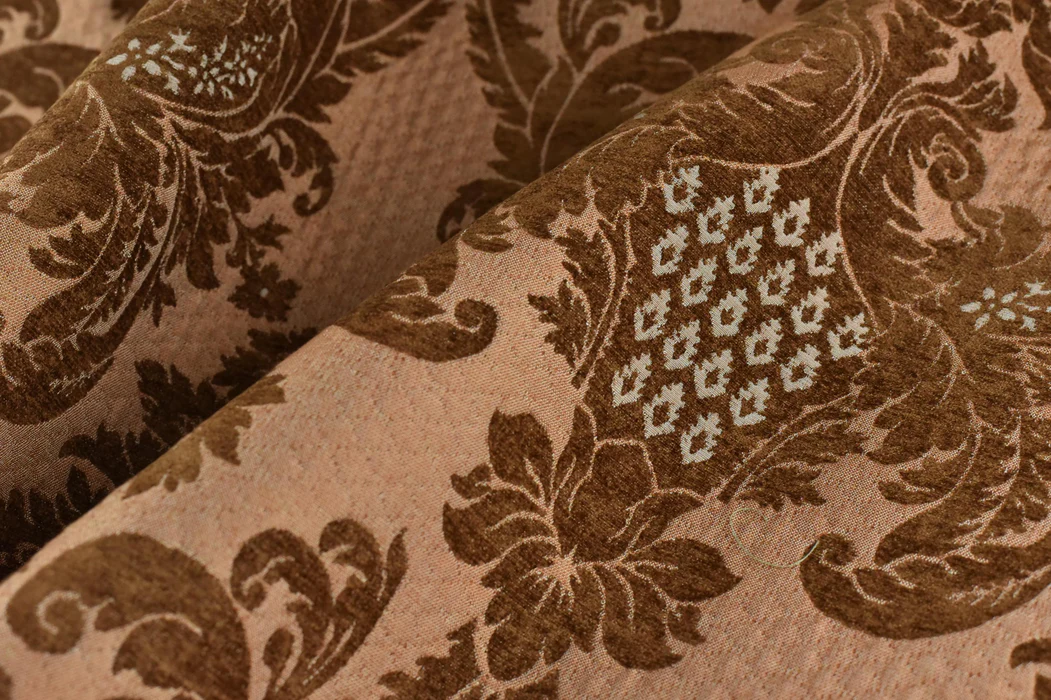
Antique chenille fabric is created by twisting short yarn fibers around two core threads and cutting them to form a raised pile. This construction produces a soft, velvety texture that is both visually appealing and tactilely rich. Natural fibers such as cotton and wool were commonly used, offering breathability, comfort, and durability.
The fabric often features intricate woven patterns, including floral, geometric, and damask-inspired motifs. These patterns not only enhanced aesthetic appeal but also reflected the cultural and artistic influences of the time, making each piece a unique example of historical textile design.
Aesthetic and Decorative Appeal
One of the defining qualities of antique chenille fabric is its ability to combine texture with visual richness. The raised pile interacts with light, creating subtle variations in tone that add depth and sophistication. This makes chenille particularly effective for upholstery, curtains, and decorative accessories, where both touch and appearance are important.
In addition, antique chenille often incorporated hand-embroidered or woven motifs, which enhanced its elegance and made it a statement material in luxurious homes. The fabric’s charm continues to influence contemporary interior design, inspiring patterns, textures, and finishes in modern collections.
Durability and Functional Benefits
Despite its delicate appearance, antique chenille fabric was surprisingly durable. The twisted yarn construction added strength, allowing the fabric to withstand daily use while maintaining its softness and texture. This durability made it suitable for furniture upholstery, bed coverings, and drapery that required both function and style.
Its insulating properties provided comfort in colder climates, while the dense pile offered a gentle tactile experience. These functional benefits contributed to the fabric’s popularity and enduring presence in households over centuries.
Applications in Modern Design
While antique chenille is historically significant, its influence extends into contemporary design. Modern manufacturers create fabrics inspired by antique chenille, combining traditional textures and patterns with updated fibers and finishing techniques. These adaptations allow for the use of chenille in modern upholstery, cushions, throws, and even fashion items.
By incorporating antique design elements, contemporary pieces capture the elegance and tactile appeal of historical chenille while meeting today’s demands for durability and ease of maintenance.
Care and Preservation
Preserving antique chenille fabric requires careful attention. Light cleaning and gentle vacuuming help maintain the pile and remove dust without damaging the fibers. Avoiding direct sunlight and excessive moisture prevents fading and deterioration, ensuring that the fabric’s texture and patterns remain intact.
For collectors and homeowners, proper storage and minimal handling are essential to protect antique chenille pieces, allowing them to retain both functional and aesthetic value over time.
Why Antique Chenille Fabric Continues to Captivate
Antique chenille fabric remains admired for its historical significance, craftsmanship, and enduring beauty. Its soft texture, intricate patterns, and functional properties make it both a decorative and practical textile. Whether appreciated as a collectible or adapted for modern use, antique chenille continues to inspire designers and enthusiasts, bridging the gap between tradition and contemporary style.