
Key Features to Look for in a Sewer Camera System
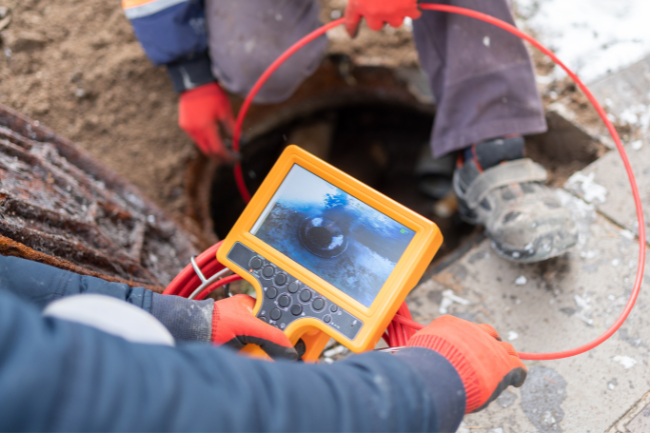
Choosing the right sewer camera system is essential for efficient and accurate pipeline inspections. A well-equipped system not only identifies blockages and structural issues but also improves operational efficiency, safety, and long-term maintenance planning. With numerous models and configurations available, understanding the key features of a high-quality system is crucial for selecting equipment that meets the specific demands of your inspections.
High-Resolution Imaging and Lighting
One of the most important features in a sewer camera system is the quality of imaging. High-resolution cameras allow operators to capture clear and detailed visuals of the pipe interior, making it easier to identify cracks, corrosion, and blockages. Leading technologies like the Sewer Camera integrate LED lighting to illuminate dark pipelines effectively. Adjustable brightness levels and advanced lens coatings enhance image clarity, even in murky water or low-light conditions. High-quality imaging ensures inspections are accurate and reduces the likelihood of missed defects.
Mobility and Access Capabilities
The ability to navigate various pipeline sizes and configurations is critical for any sewer camera system. Push rods, motorized crawlers, and flexible cables all contribute to the camera’s mobility. Systems designed with compact camera heads and adjustable articulation can reach tight corners and bends in small-diameter pipes. A well-engineered mobility system allows operators to conduct thorough inspections with minimal disruption, ensuring that even hard-to-reach areas are thoroughly assessed.
Pan-and-Tilt Functionality
Pan-and-tilt camera heads significantly enhance the versatility of a sewer camera. This feature allows operators to rotate and angle the camera to inspect pipe walls, joints, and other difficult-to-view areas. Pan-and-tilt functionality provides a 360-degree view of the pipeline interior, improving defect detection and allowing for more comprehensive inspections. Operators can capture detailed footage without constantly repositioning the camera manually, saving time and reducing physical strain.
Waterproofing and Durability
Sewer camera systems must withstand harsh underground environments, including exposure to water, chemicals, and debris. Durable housings made from stainless steel, anodized aluminum, or reinforced polymers provide resistance to corrosion and impact. Waterproof seals and O-ring designs protect internal electronics, ensuring the camera remains functional even during submersion. Systems designed for durability and waterproofing reduce maintenance costs and extend the operational lifespan of the equipment.
Cable Length and Flexibility
The cable or push rod of a sewer camera system determines how far the camera can reach and how easily it can maneuver through pipes. Longer, flexible cables are ideal for inspecting extensive pipelines, while shorter, more rigid cables are better suited for confined spaces. Multi-layered construction and reinforced sheathing enhance durability and protect against signal loss or physical damage. Evaluating cable specifications is essential to ensure the system meets the inspection requirements of your network.
Digital Recording and Reporting Features
Modern sewer camera systems often include digital recording, annotation, and measurement capabilities. Video and images can be stored, reviewed, and shared for analysis or regulatory compliance. Integrated reporting tools allow operators to tag defects, record pipe lengths, and document conditions efficiently. These features support preventive maintenance programs and enable infrastructure managers to make informed decisions based on reliable, recorded data.
Ease of Use and Operator Ergonomics
Operator usability is a critical consideration. Systems with intuitive controls, ergonomic handles, and easy-to-read monitors reduce operator fatigue and improve inspection accuracy. Compact and lightweight designs enhance portability, allowing operators to transport and deploy the camera system quickly. Usability-focused features ensure that even complex inspections can be conducted safely and efficiently.
Integration With Smart Technologies
Some sewer camera systems now offer integration with smart inspection tools, including wireless connectivity, cloud storage, and AI-assisted defect detection. These features enable real-time monitoring, automated reporting, and predictive maintenance analysis. Investing in systems that support technological integration can future-proof inspections and improve overall operational efficiency.
Conclusion: Selecting the Right Sewer Camera System
Choosing a sewer camera system requires careful evaluation of imaging quality, mobility, durability, recording capabilities, and usability. Features such as pan-and-tilt functionality, flexible cables, and smart integration enhance inspection accuracy and operator efficiency. By selecting a system that meets these criteria, operators can ensure effective pipeline monitoring, timely maintenance, and long-term infrastructure reliability. A well-chosen sewer camera system is a valuable investment that supports both operational performance and preventive maintenance strategies.