
How Google Ads Management Helps Improve Campaign Performance and ROI
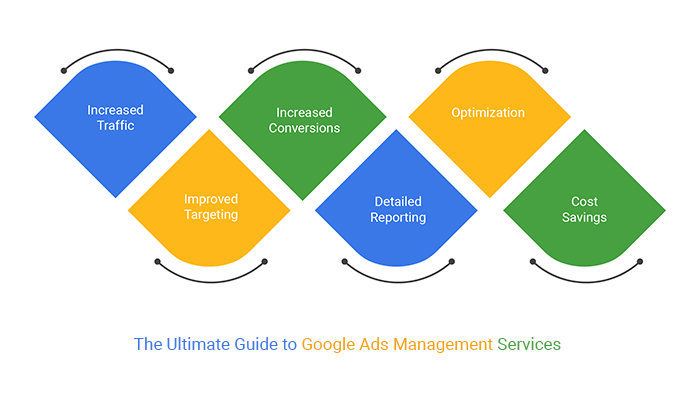
In the competitive landscape of digital marketing, businesses are constantly seeking ways to maximize their advertising investment and achieve measurable results. Google Ads provides a powerful platform to reach potential customers at the exact moment they are searching for products or services. However, simply creating ads and setting a budget is not enough to ensure success. Effective Google Ads management is essential to optimize campaigns, increase performance, and maximize return on investment (ROI).
Google Ads management involves planning, executing, monitoring, and optimizing advertising campaigns on Google’s platforms, including search, display, and YouTube. Professional management ensures that campaigns target the right audience, use appropriate keywords, and allocate budgets efficiently. Businesses that invest in expert Google Ads Management can improve ad relevance, reduce wasted spend, and achieve higher conversions while maintaining cost efficiency.
Strategic Campaign Planning
The first step in Google Ads management is strategic campaign planning. This process begins with clearly defining campaign objectives, such as increasing website traffic, generating leads, or boosting sales. Understanding business goals allows advertisers to choose the most suitable campaign types, targeting methods, and bidding strategies.
Keyword research is a critical component of planning. Identifying high-intent keywords ensures ads appear to users who are actively searching for relevant products or services. Competitor analysis and audience insights also guide decisions regarding ad copy, targeting, and budget allocation, establishing a strong foundation for successful campaigns.
Ad Creation and Optimization
Effective Google Ads management includes creating compelling ad copy that captures attention and encourages clicks. Headlines, descriptions, and call-to-action phrases are crafted to align with user intent and match the targeted keywords. Well-designed ads increase click-through rates and improve overall campaign performance.
Optimization does not stop at the ad creation stage. Continuous A/B testing of ad variations helps identify which messages resonate best with the audience. By analyzing performance data, advertisers can refine ad copy, adjust targeting, and modify bids to enhance engagement and conversions. This iterative approach ensures campaigns perform at their highest potential.
Targeting the Right Audience
One of the key advantages of Google Ads is its advanced targeting options. Advertisers can segment audiences based on location, demographics, interests, search behavior, and device type. Proper audience targeting ensures ads are displayed to users most likely to engage, improving ROI and minimizing wasted spend.
Remarketing is another important strategy within Google Ads management. By targeting users who have previously visited a website or interacted with the brand, businesses can increase conversion rates and reinforce brand recognition. Combining prospecting and remarketing strategies provides a comprehensive approach to reaching potential customers at multiple stages of the buying journey.
Budget Management and Bid Strategies
Managing budgets effectively is central to Google Ads performance. Advertisers must allocate funds to campaigns, ad groups, and individual keywords based on performance potential. Regular monitoring ensures that high-performing campaigns receive sufficient investment while underperforming ads are paused or optimized.
Bid strategies also play a critical role in achieving ROI. Manual bidding provides control over individual keyword costs, while automated bidding strategies use machine learning to optimize for conversions, clicks, or target ROAS (Return on Ad Spend). Professional Google Ads management balances these approaches to maximize efficiency and reduce unnecessary spending.
Performance Tracking and Analytics
Measuring campaign performance is essential for improving results and ROI. Google Ads provides robust analytics tools that track metrics such as impressions, clicks, conversions, cost per click, and cost per acquisition. By analyzing this data, advertisers gain insights into which ads, keywords, and targeting strategies are most effective.
Regular performance reviews allow marketers to make data-driven decisions, such as reallocating budgets, updating ad creatives, or refining targeting. This continuous monitoring and optimization process is vital for sustaining high performance and ensuring long-term campaign success.
Enhancing Quality Score and Ad Rank
A higher Quality Score and Ad Rank lead to better ad placement and lower costs per click. Google Ads management involves optimizing factors that influence these scores, including ad relevance, landing page quality, and expected click-through rates. Well-structured campaigns with targeted messaging not only improve visibility but also reduce advertising costs while delivering better results.
By maintaining high-quality campaigns, businesses can achieve greater efficiency, reach more qualified leads, and increase overall ROI from their advertising efforts.
Integration with Marketing Strategy
Effective Google Ads management integrates campaigns with broader marketing efforts. Coordinating with SEO, content marketing, social media, and email strategies ensures consistent messaging and reinforces the customer journey. This holistic approach amplifies results and enhances the overall impact of marketing initiatives.
Conclusion
Google Ads management is essential for businesses aiming to optimize campaign performance and maximize ROI. Through strategic planning, targeted audience segmentation, ad optimization, budget management, and continuous performance monitoring, advertisers can achieve higher visibility, engagement, and conversions. Professional management ensures campaigns remain efficient, cost-effective, and aligned with overall marketing objectives, making it a critical component of successful digital advertising.