Safety Standards for Operating Vehicle Loading Conveyors
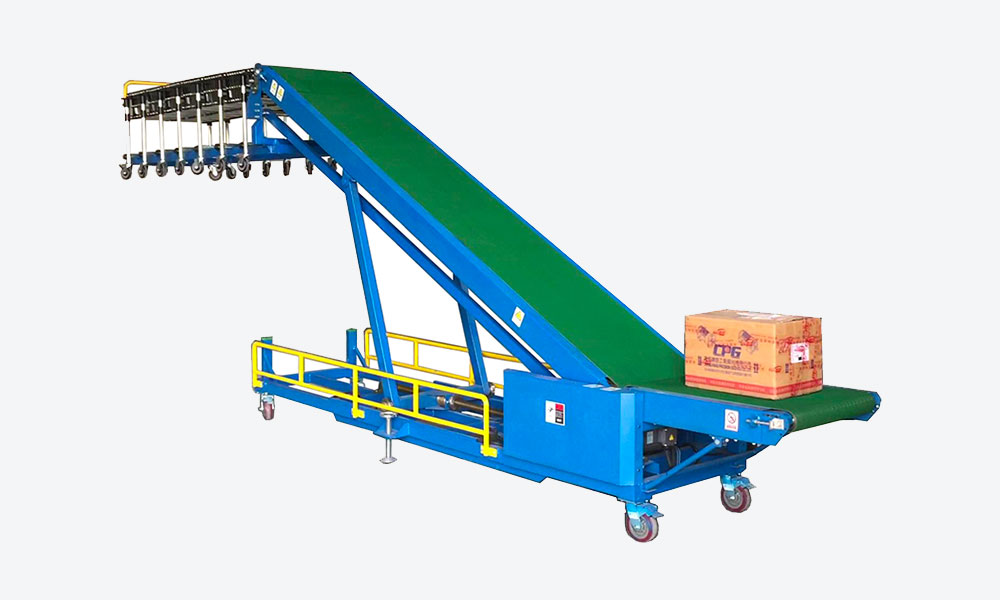
Vehicle loading conveyors are essential tools in modern warehouses and logistics operations, enabling the efficient transfer of goods from storage areas directly into trucks, trailers, and other transport vehicles. While these conveyors significantly improve productivity, their operation involves potential hazards such as moving parts, heavy loads, and elevated surfaces. Adhering to proper safety standards is crucial to protect operators, prevent accidents, and ensure smooth, uninterrupted material handling processes.
A Vehicle Loading Conveyor must be operated according to established safety guidelines to minimize risks. These standards are designed to address issues such as mechanical hazards, electrical safety, ergonomic challenges, and emergency preparedness. Compliance not only protects workers but also ensures that warehouse operations remain efficient and compliant with regulatory requirements.
Regulatory Safety Standards
Safety regulations for vehicle loading conveyors vary by region but often align with internationally recognized standards. In North America, the Occupational Safety and Health Administration (OSHA) provides guidelines for conveyor safety, covering aspects such as guarding, emergency stop mechanisms, and safe operating procedures. Similarly, the American National Standards Institute (ANSI) publishes standards for conveyor design, installation, and maintenance.
In Europe, the Machinery Directive and CE certification ensure that conveyors meet strict safety and operational requirements. Manufacturers designing conveyors to these standards incorporate safety features such as emergency stops, protective guards, and warning systems, which reduce the risk of accidents during loading and unloading.
Proper Guarding and Physical Barriers
One of the most critical safety standards involves the installation of physical guards around moving components. Rollers, belts, motors, and gears must be enclosed or shielded to prevent accidental contact by operators or bystanders. Proper guarding reduces the risk of entanglement, pinching, or crushing injuries.
Additionally, safety barriers around the loading area prevent unauthorized personnel from entering zones where heavy goods are in motion. Marked walkways and restricted access areas are standard practices in warehouses using vehicle loading conveyors to maintain a safe operational environment.
Emergency Stop Mechanisms
Every vehicle loading conveyor should be equipped with easily accessible emergency stop buttons or pull cords. These devices allow operators to immediately halt the conveyor in the event of an emergency, such as a mechanical malfunction, product jam, or potential injury.
Safety standards dictate that emergency stop mechanisms be clearly labeled, functional at all points along the conveyor, and tested regularly. Quick access to emergency stops ensures that minor incidents do not escalate into serious accidents, protecting both workers and equipment.
Load and Weight Safety Guidelines
Conveyors are designed to handle specific weight limits, and exceeding these limits can cause mechanical failure or hazardous situations. Safety standards require operators to adhere to the manufacturer’s guidelines for load capacity, including weight distribution and package size.
Proper stacking and securing of items on the conveyor prevent tipping, falling objects, or jams. Operators should receive training on recognizing unsafe loading practices and on adjusting conveyor operation to maintain stability and safety during material handling.
Ergonomic and Operational Safety
Ergonomic considerations are an important component of conveyor safety. Improper positioning or repetitive manual handling can lead to strain injuries. Vehicle loading conveyors are designed to reduce manual lifting by extending directly into truck beds or trailers.
Operators should be trained to maintain proper posture, use safe lifting techniques when handling individual items, and avoid overreaching or standing in unsafe positions near moving equipment. Adjustable conveyor heights and telescopic extensions help accommodate different vehicle types and operator comfort, minimizing ergonomic risks.
Regular Maintenance and Inspection
Routine maintenance is essential for maintaining conveyor safety. Safety standards require scheduled inspections of mechanical components, electrical systems, and safety devices. Worn belts, misaligned rollers, or faulty sensors can compromise both operational efficiency and worker safety.
Manufacturers often provide maintenance checklists and preventive schedules to ensure that all critical parts are functioning correctly. Proper lubrication, cleaning, and timely replacement of components reduce the likelihood of accidents caused by mechanical failure.
Operator Training and Certification
Comprehensive operator training is a key aspect of conveyor safety standards. Workers must be familiar with the correct operating procedures, emergency protocols, and hazard recognition for vehicle loading conveyors. Many warehouses implement certification programs to ensure that all operators meet competency requirements before using the equipment independently.
Training should include practical demonstrations, safety drills, and ongoing assessments to reinforce best practices. Well-trained operators are more likely to prevent accidents, respond effectively to emergencies, and maintain productivity while adhering to safety standards.
Conclusion
Vehicle loading conveyors are highly effective tools for improving efficiency in logistics and warehouse operations, but their safe operation requires strict adherence to established standards. Regulatory compliance, proper guarding, emergency stop mechanisms, load management, ergonomic practices, routine maintenance, and operator training are all critical to minimizing risks. By following these safety standards, warehouses can protect employees, reduce accidents, and ensure reliable, continuous operation. Implementing and maintaining rigorous safety protocols is not only a legal and ethical responsibility but also a strategic investment in long-term operational efficiency.