What Is Staff Augmentation? Definition, Benefits, and Use Cases
Modern businesses operate in fast-changing environments where project demands, technology needs, and market conditions can shift rapidly. To remain competitive, organizations must be able to scale their workforce efficiently without sacrificing quality or control. This challenge has led many companies to adopt flexible workforce models that complement traditional hiring practices.
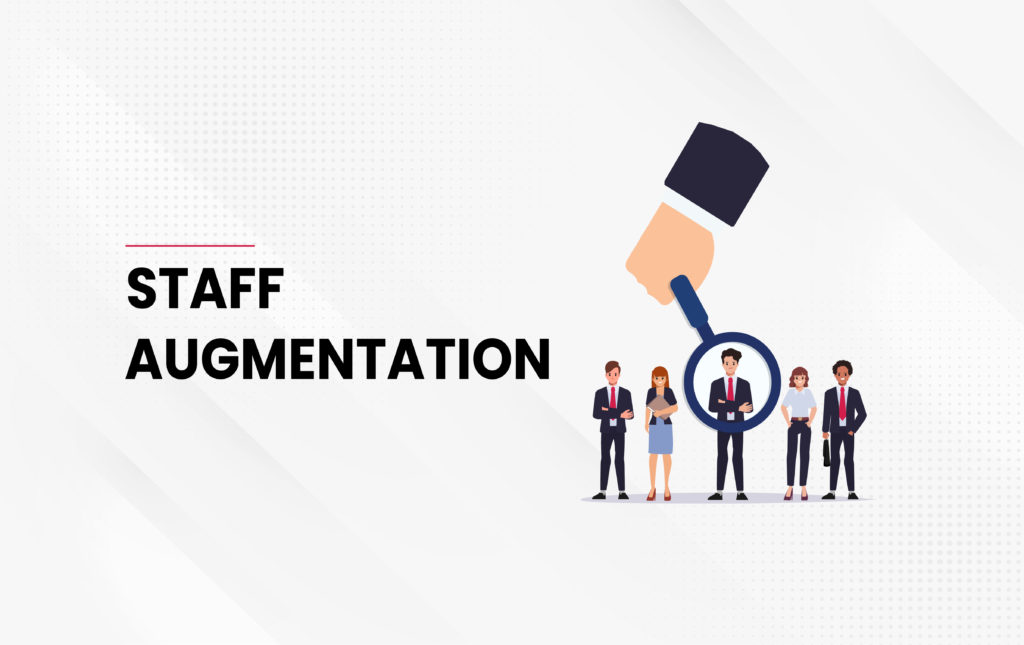
One such model is staff augmentation, which allows businesses to add skilled professionals to their existing teams on a temporary or project-specific basis. Unlike outsourcing, where entire projects are handed over to third parties, Staff Augmentation integrates external talent directly into internal teams, giving organizations greater flexibility, transparency, and operational control while meeting short-term or specialized needs.
Defining Staff Augmentation
Staff augmentation is a workforce strategy in which companies hire external professionals to fill skill gaps or increase capacity for a defined period. These professionals work alongside in-house employees, following the company’s processes, tools, and management structure. The arrangement can be short-term, long-term, or project-based, depending on business requirements.
This model is commonly used in industries such as information technology, engineering, healthcare, finance, and digital marketing. Organizations leverage staff augmentation when they need expertise that is not readily available internally or when hiring full-time employees would be inefficient or costly.
How Staff Augmentation Works
The staff augmentation process typically begins with identifying skill gaps or resource shortages within a team. Once requirements are defined, a service provider sources qualified professionals with the necessary expertise. After selection, these professionals are onboarded quickly and begin working as part of the client’s team.
Unlike permanent hires, augmented staff remain employees or contractors of the service provider. This arrangement reduces administrative responsibilities related to recruitment, payroll, benefits, and compliance, while allowing the client organization to focus on project delivery and business goals.
Key Benefits of Staff Augmentation
One of the most significant benefits of staff augmentation is flexibility. Companies can scale their workforce up or down based on project demands without long-term commitments. This is particularly valuable for seasonal workloads, product launches, or time-sensitive initiatives.
Cost efficiency is another major advantage. Hiring full-time employees involves recruitment expenses, benefits, training, and long-term salaries. Staff augmentation allows organizations to pay only for the skills and duration they need, making it a financially practical solution.
Access to specialized expertise is also a critical benefit. Augmented professionals often bring niche skills, industry knowledge, and hands-on experience that may not exist internally. This accelerates project timelines and improves overall quality.
Staff Augmentation vs. Traditional Hiring
Traditional hiring focuses on building a permanent workforce, which is ideal for core roles and long-term growth. However, it can be slow and inflexible when immediate needs arise. Staff augmentation complements traditional hiring by offering a faster way to address short-term or specialized requirements.
While permanent employees are deeply embedded in company culture, augmented staff provide targeted expertise without long-term obligations. This balance allows organizations to maintain stability while remaining adaptable in dynamic markets.
Common Use Cases for Staff Augmentation
Staff augmentation is widely used in technology-driven projects. Companies often rely on augmented developers, engineers, cybersecurity specialists, or data analysts to support system upgrades, software development, or digital transformation initiatives.
It is also effective for handling peak workloads. For example, businesses may augment customer support teams during high-demand periods or bring in additional professionals to meet tight project deadlines.
Another common use case is accessing emerging skills. As new technologies and tools evolve, companies may not have internal expertise readily available. Staff augmentation allows them to bridge this gap without investing in long-term training or permanent hires.
Risk Reduction and Operational Control
One of the distinguishing features of staff augmentation is the level of control it offers. Unlike outsourcing models where management is external, augmented staff work under the client’s direction. This ensures alignment with internal standards, communication practices, and quality expectations.
Risk is also reduced because companies can evaluate performance before committing to longer-term engagements. If project requirements change, organizations can adjust resources without the complications associated with layoffs or contract terminations.
When Staff Augmentation Is the Right Choice
Staff augmentation is ideal when businesses need speed, flexibility, and expertise without expanding their permanent workforce. It works well for short-term projects, specialized roles, and situations where internal teams need additional support to meet deadlines or quality standards.
However, it may not be suitable for roles that require deep cultural integration or long-term strategic leadership. In such cases, traditional hiring or hybrid workforce models may be more appropriate.
Conclusion
Staff augmentation has become a strategic solution for organizations seeking agility in today’s competitive business landscape. By providing access to skilled professionals, reducing costs, and maintaining operational control, it enables companies to respond effectively to changing demands. When used thoughtfully, staff augmentation supports growth, innovation, and efficient project execution without the limitations of traditional hiring models.