
Reusable vs Disposable Bento Boxes Explained
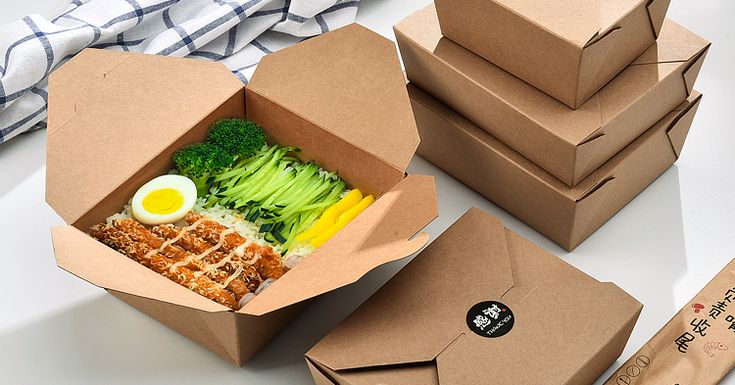
Bento boxes have become an integral part of meal preparation and takeaway services due to their convenience, portion control, and compartmentalized design. When choosing bento boxes, businesses and consumers are often faced with the decision between reusable and disposable options. Each type has its advantages and limitations, depending on factors such as sustainability goals, operational needs, cost considerations, and food safety requirements. Understanding the differences between reusable and disposable bento boxes is essential for making informed packaging decisions.
The main distinction between reusable and disposable bento boxes lies in their intended lifespan and material composition. Reusable bento boxes are typically made from durable materials such as plastic, stainless steel, or high-quality silicone, allowing them to withstand repeated use. On the other hand, disposable bento boxes are designed for single use and are commonly made from paperboard, kraft paper, or biodegradable materials. A reliable Bento Box Supplier can help businesses identify the right type of bento box to suit their service model, whether they prioritize sustainability, cost efficiency, or convenience.
Advantages of Reusable Bento Boxes
Reusable bento boxes offer several benefits for both consumers and food businesses. One of the primary advantages is sustainability. Since these boxes can be used multiple times, they significantly reduce the volume of packaging waste generated compared to single-use alternatives. For environmentally conscious customers or restaurants aiming to minimize their ecological footprint, reusable bento boxes are an attractive option.
Durability is another key benefit. Reusable boxes are designed to withstand washing, heat exposure, and frequent handling without losing shape or structural integrity. They are ideal for home use, meal prep services, and corporate catering, where repeated use and longevity are important. Additionally, many reusable bento boxes come with secure locking lids and tight-fitting compartments, ensuring food stays fresh and organized during transport.
Advantages of Disposable Bento Boxes
Disposable bento boxes are often preferred in contexts where convenience and hygiene are top priorities. These boxes eliminate the need for washing, making them suitable for delivery services, catering events, or situations where repeated cleaning is impractical. Modern disposable bento boxes, especially those made from biodegradable or compostable materials, provide an environmentally friendly alternative without sacrificing convenience.
Disposable boxes also offer operational efficiency for food businesses. They can be pre-assembled, stacked easily, and are lightweight, making them ideal for high-volume takeaway or delivery operations. Coated disposable boxes are often resistant to grease, moisture, and heat, which ensures that food remains safe and intact during transport.
Cost Considerations
Cost is a significant factor when deciding between reusable and disposable bento boxes. Reusable boxes typically involve a higher initial investment but provide long-term savings since they can be used repeatedly. However, businesses must also factor in the cost of cleaning and sanitization, especially for commercial use.
Disposable bento boxes, while generally less expensive per unit, can become costly over time due to continuous repurchasing. Businesses with high order volumes may find that the cumulative cost of disposable packaging exceeds the investment in reusable alternatives. A balanced assessment of volume, usage frequency, and operational requirements is essential for determining the most cost-effective choice.
Hygiene and Food Safety
Hygiene and food safety are critical considerations for both reusable and disposable bento boxes. Reusable boxes must be thoroughly cleaned and sanitized between uses to prevent contamination. Proper washing protocols are essential to maintain food safety, particularly when packaging ready-to-eat meals.
Disposable bento boxes offer a hygienic, single-use solution that reduces the risk of cross-contamination. They are especially suitable for delivery services and takeaway meals, where handling by multiple people could compromise safety. Biodegradable coatings and food-grade materials ensure that disposable boxes meet regulatory standards for direct food contact.
Environmental Impact
The environmental impact of bento boxes depends largely on their material and usage patterns. Reusable boxes minimize waste but require water and energy for cleaning, which contributes to their overall footprint. Disposable boxes, when made from biodegradable, recyclable, or compostable materials, can reduce long-term environmental damage but generate more waste in the short term.
Food businesses and consumers must weigh these factors based on their sustainability priorities. Partnering with a knowledgeable bento box supplier can provide guidance on eco-friendly options, including biodegradable disposable boxes or long-lasting reusable alternatives.
Choosing the Right Option
The choice between reusable and disposable bento boxes depends on the specific needs of the business or individual. Reusable boxes are ideal for customers and services focused on long-term sustainability, durability, and consistent portion control. Disposable boxes are better suited for delivery services, high-volume catering, or situations where convenience, hygiene, and operational efficiency are essential.
Conclusion
Both reusable and disposable bento boxes offer distinct advantages that cater to different operational and consumer needs. Reusable boxes provide durability, long-term sustainability, and cost-effectiveness over time, while disposable boxes offer convenience, hygiene, and ease of use. Understanding the differences and assessing operational priorities helps businesses and consumers make informed packaging decisions. By working with a trusted Bento Box Supplier, food businesses can select the most appropriate type of bento box to meet their goals for safety, sustainability, and customer satisfaction.