Embracing Minimalism in Interior Design: Principles, Tips, and Inspiration
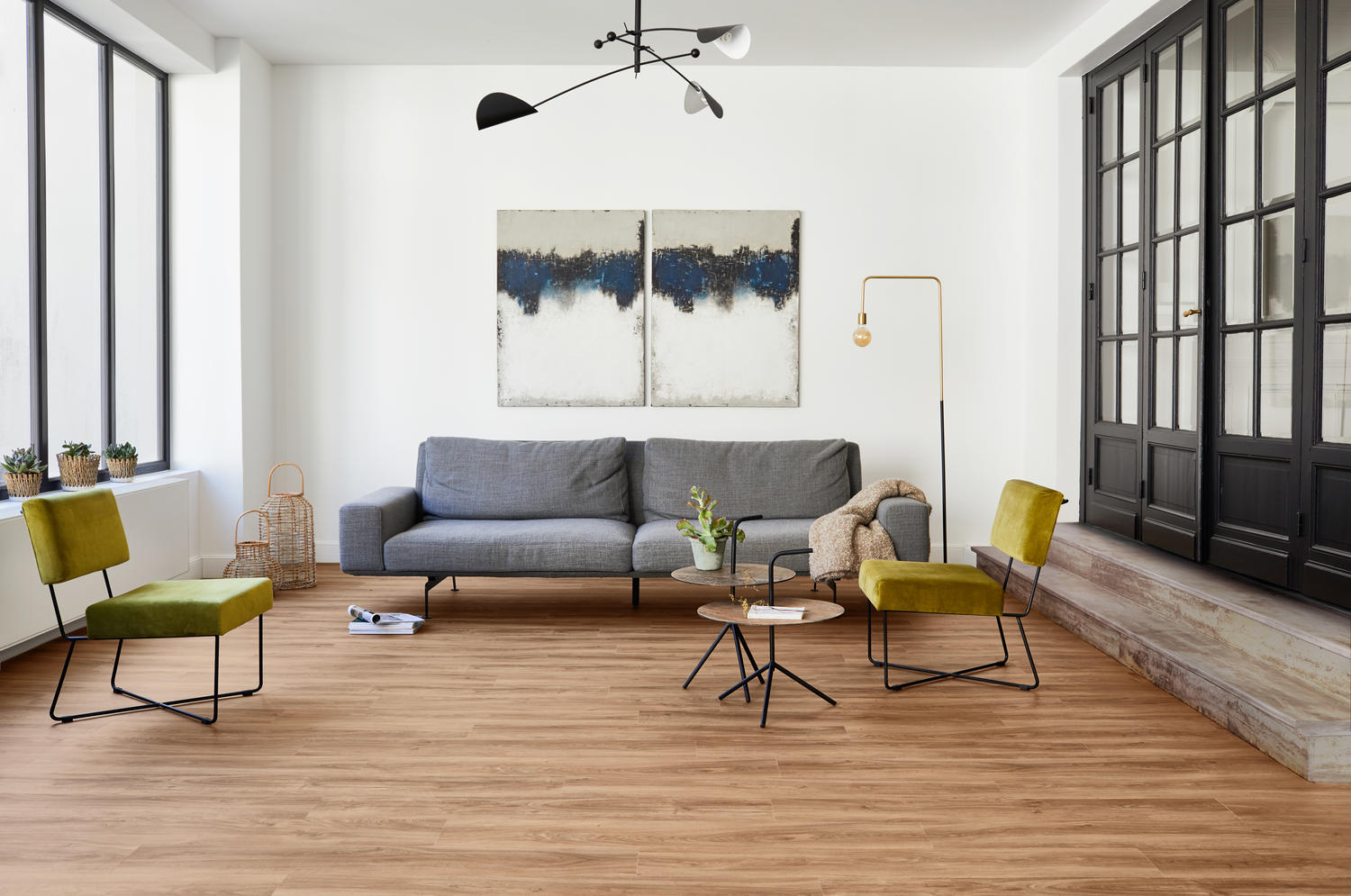
Minimalism in interior design has gained widespread popularity due to its ability to create clean, functional, and aesthetically pleasing spaces. By focusing on simplicity, essential elements, and intentional design choices, minimalism offers a way to reduce clutter and cultivate a sense of calm within the home. Understanding the core principles of minimalism, as well as practical tips for implementation, can help homeowners transform their spaces into harmonious environments that balance style and functionality.
What Is Minimalism in Interior Design?
Minimalism in interior design emphasizes simplicity, functionality, and the elimination of unnecessary elements. The goal is to create spaces that are open, uncluttered, and visually appealing, while maintaining comfort and practicality. For those seeking to adopt this approach, professional Minimalism in Interior Design services provide expert guidance on selecting the right furniture, colors, and layouts to achieve a cohesive and serene environment. Working with experienced designers ensures that every element serves a purpose, resulting in a space that feels intentional and harmonious.
Key Principles of Minimalist Design
Several principles underpin minimalist interior design, guiding the creation of spaces that are both functional and aesthetically refined:
- Simplicity: Focus on clean lines, uncluttered surfaces, and essential elements. Avoid unnecessary décor or complex patterns that disrupt the visual flow.
- Neutral Colors: Minimalist spaces often rely on neutral palettes, such as white, beige, gray, or soft earth tones, to create a calming and cohesive look.
- Quality Over Quantity: Instead of filling spaces with numerous items, prioritize fewer, high-quality pieces that are functional and visually appealing.
- Open Spaces: Emphasize open floor plans and well-defined areas to promote a sense of freedom and ease of movement.
- Natural Light: Maximize natural light through large windows, skylights, or glass panels to create bright, airy interiors.
Tips for Implementing Minimalism
Implementing minimalism effectively requires intentional planning and a focus on functionality:
- Declutter Regularly: Remove items that do not serve a practical or aesthetic purpose. Regular decluttering keeps spaces clean and organized.
- Choose Multi-Functional Furniture: Opt for furniture that serves multiple purposes, such as storage ottomans, sofa beds, or extendable tables.
- Integrate Storage Solutions: Built-in cabinets, hidden compartments, and vertical shelving help maintain a clutter-free environment while keeping essentials accessible.
- Limit Color and Patterns: Stick to a cohesive color palette and avoid excessive patterns to maintain visual harmony.
- Focus on Texture and Materials: Use materials such as wood, metal, or stone to add depth and interest without overwhelming the space.
Minimalism in Different Spaces
Minimalist principles can be adapted to various areas within a home:
- Living Room: Keep furniture arrangements simple and open, with clean-lined sofas and subtle decorative accents.
- Bedroom: Opt for low-profile beds, minimal furniture, and uncluttered surfaces to create a serene environment.
- Kitchen: Choose sleek cabinetry, integrated appliances, and open countertops to promote efficiency and simplicity.
- Bathroom: Utilize clean, streamlined fixtures, minimal accessories, and neutral tones for a spa-like feel.
Benefits of Minimalist Design
Minimalism offers several practical and emotional benefits:
- Reduced Stress: Clean, organized spaces contribute to a sense of calm and mental clarity.
- Easier Maintenance: Fewer items and simpler layouts make cleaning and maintenance more manageable.
- Enhanced Functionality: Each element serves a purpose, improving the efficiency and usability of the space.
- Timeless Aesthetic: Minimalist interiors are often timeless, avoiding trends that quickly become outdated.
Incorporating Personal Style
Minimalism does not mean sacrificing personality. Thoughtful inclusion of artwork, plants, or statement pieces can add warmth and individuality without compromising simplicity. Choosing a few meaningful items allows residents to personalize their spaces while maintaining a clean and harmonious aesthetic.
Common Mistakes to Avoid
When embracing minimalism, it is important to avoid common pitfalls:
- Over-Emptiness: Leaving too much open space can make a home feel cold or uninviting. Balance is key.
- Neglecting Function: Minimalist design should never compromise practicality. Each piece must have a purpose.
- Ignoring Texture: Using only flat surfaces or plain colors can make a space appear flat; incorporate varied textures for visual interest.
Conclusion
Minimalism in interior design offers a pathway to creating spaces that are both elegant and functional. By focusing on simplicity, quality, and thoughtful planning, homeowners can cultivate environments that are organized, calming, and visually appealing. Consulting a professional Minimalism in Interior Design service ensures expert guidance, helping to implement cohesive designs that maximize space, enhance functionality, and reflect personal style. With the right approach, minimalism transforms a home into a sanctuary of clarity, comfort, and timeless beauty.