
Martial Arts for Teenagers: Physical Fitness, Mental Resilience, and Personal Growth
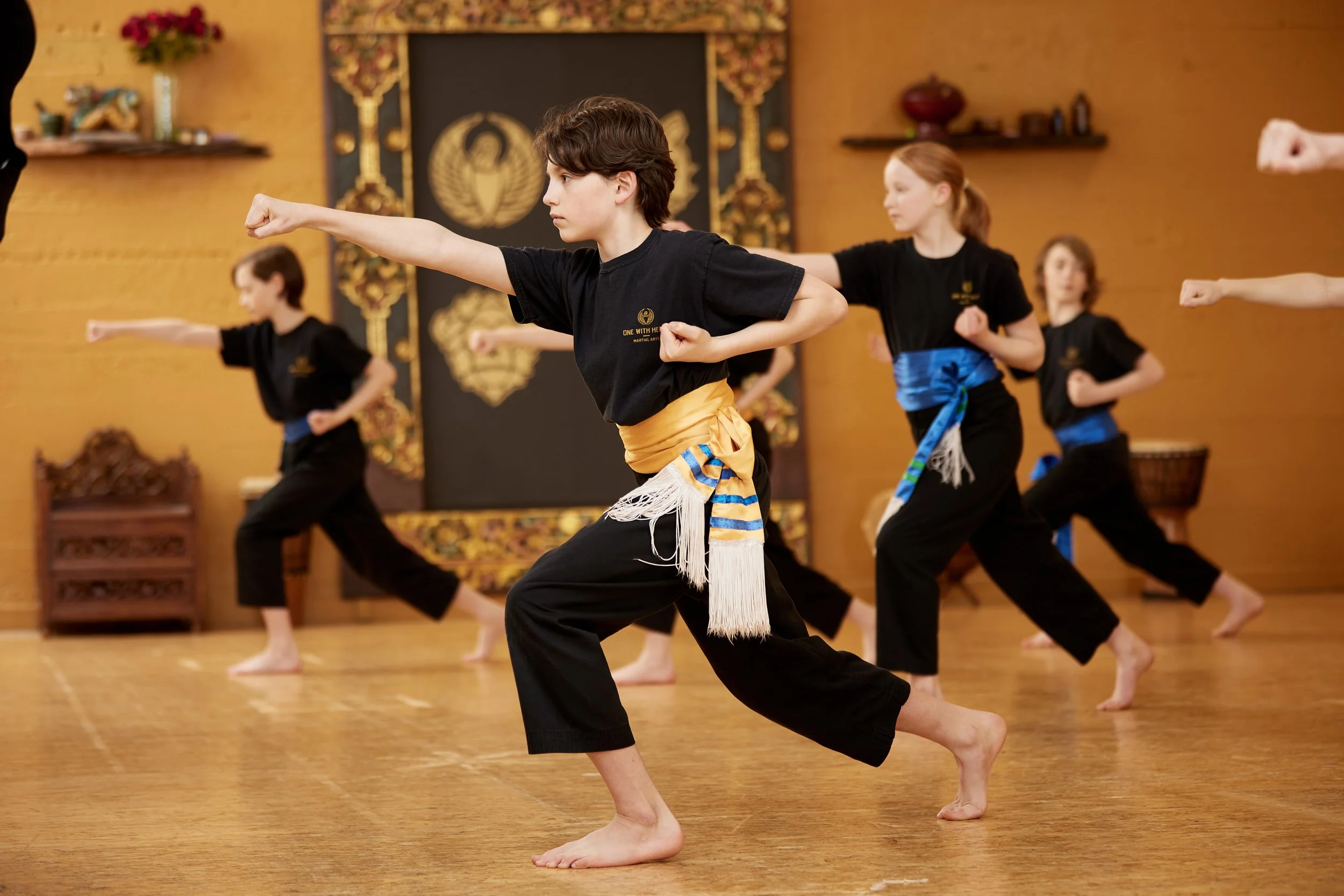
Teenagers face a unique set of challenges as they navigate adolescence, including physical development, emotional changes, and increasing academic and social pressures. Martial arts provide an effective way for teens to build strength, improve focus, and develop life skills that support personal growth. Beyond learning self-defense techniques, martial arts programs instill discipline, resilience, and confidence that benefit teenagers both on and off the training floor.
Programs designed for adolescents focus on providing a safe and structured environment that addresses the specific needs of this age group. A Martial Arts for Teenagers program combines physical conditioning, skill-building exercises, and mental training to create a holistic approach to personal development. Instructors guide teens through a balance of rigorous practice and supportive mentorship, helping them achieve both physical and psychological growth while fostering positive habits that last a lifetime.
Physical Fitness and Coordination
One of the most obvious benefits of martial arts training is improved physical fitness. Teenagers engage in exercises that enhance strength, flexibility, balance, and coordination. Martial arts movements, such as kicks, punches, stances, and sequences, train multiple muscle groups simultaneously, contributing to overall athleticism.
Cardiovascular endurance is also a key component, with drills, sparring, and dynamic forms elevating heart rates and promoting stamina. For adolescents, this type of activity supports healthy growth and development while helping to establish habits of regular exercise. Coordination and motor skills developed through martial arts also improve performance in other sports and daily activities, making teens more agile and confident in their physical abilities.
Mental Resilience and Focus
Martial arts training is as much about mental development as it is about physical skill. Teens learn to concentrate on complex movements, follow instructions carefully, and practice consistently to master techniques. This mental focus translates into improved attention spans, goal-setting abilities, and problem-solving skills in academic and social contexts.
Structured practice in martial arts helps teens cultivate patience, perseverance, and discipline. Progression through belt levels or skill ranks gives teens tangible goals and a sense of achievement, reinforcing the value of consistent effort and self-motivation. Over time, this mental resilience enables teens to approach challenges with confidence and composure.
Emotional Growth and Self-Control
Emotional development is another critical aspect of martial arts for adolescents. Teenagers often encounter situations that test patience, self-regulation, and emotional control. Martial arts provide a safe outlet for releasing stress, frustration, and energy in a controlled environment.
Techniques such as controlled sparring, meditation, and breathing exercises teach teens to manage emotions, think strategically, and remain calm under pressure. By practicing self-discipline and emotional regulation during training, teens develop the ability to respond thoughtfully in challenging situations outside the dojo, fostering maturity and self-confidence.
Social Skills and Teamwork
Martial arts classes also offer valuable social benefits. Teens interact with peers, instructors, and mentors in a structured, respectful environment that promotes communication, cooperation, and empathy. Partner drills, group exercises, and collaborative challenges encourage teamwork and mutual support.
Respect for instructors and fellow students is a foundational principle in martial arts, teaching teens the importance of courtesy, responsibility, and ethical behavior. The supportive community within martial arts schools often fosters friendships and a sense of belonging, which can have positive impacts on social development and mental well-being.
Choosing the Right Program
Selecting an appropriate martial arts program for teenagers involves considering factors such as instructor experience, curriculum structure, class size, and safety protocols. Programs that emphasize age-appropriate techniques, personal development, and positive reinforcement tend to provide the most benefits. Observing a class or consulting with instructors can help ensure that the program aligns with the teen’s needs and goals.
Programs that integrate both physical and mental training, with clear progression systems and opportunities for achievement, help maintain engagement and motivation. This comprehensive approach ensures that teens not only learn martial arts skills but also develop life skills that extend beyond the training environment.
Conclusion
Martial arts for teenagers offer a holistic approach to physical, mental, and emotional development. Through structured training, adolescents develop strength, coordination, focus, discipline, and emotional resilience. Participation in martial arts programs helps teens build confidence, establish healthy habits, and navigate the challenges of adolescence with greater maturity and self-control. By choosing a program that balances skill development with personal growth, teenagers can gain lifelong benefits that extend far beyond the dojo.