Water and Energy Efficiency in Laundry Pod Machines
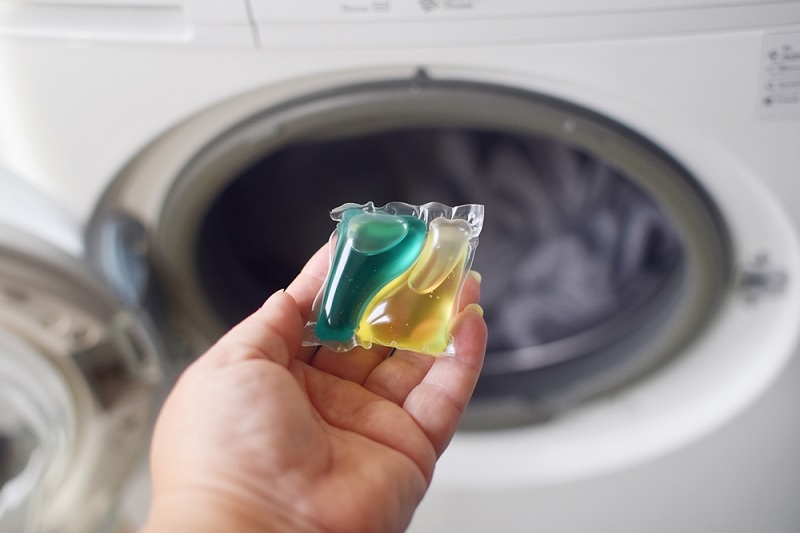
The increasing demand for laundry pods has led manufacturers to prioritize efficiency and sustainability in production. Laundry pod machines are at the forefront of this shift, integrating advanced technology to optimize water and energy usage while maintaining consistent product quality. Efficient machines not only reduce operational costs but also minimize environmental impact, which is increasingly important for businesses aiming to meet consumer expectations for sustainable products.
Importance of Water and Energy Efficiency
Water and energy efficiency are critical considerations in modern laundry pod production. Although laundry pods themselves reduce water consumption for end-users, the production process can still involve significant energy use for heating, pumping, and sealing, as well as water use for cleaning and cooling certain components.
Manufacturers that prioritize efficiency benefit from lower operating costs, reduced environmental impact, and compliance with sustainability regulations. Machines that consume less energy and water per unit of production enable higher throughput without significantly increasing operational expenses. Machines like the Laundry Pod Machine are designed to address these needs by incorporating energy-saving motors, precise dosing systems, and efficient heating and sealing mechanisms.
Energy Efficiency Features
Energy efficiency in laundry pod machines is achieved through several technological innovations. First, modern machines often use variable frequency drives (VFDs) to control motor speed, reducing energy consumption during periods of lower production demand. This approach prevents unnecessary energy use while maintaining optimal operational performance.
Second, heating systems used for sealing pods are designed to be precise and consistent, minimizing energy loss. For example, ultrasonic sealing systems require less energy than traditional heat sealing methods and provide faster, more uniform seals. Machines with energy-efficient heating and sealing mechanisms reduce electricity costs and decrease the overall carbon footprint of the production process.
Third, automation contributes significantly to energy efficiency. Automated dosing, sealing, and cutting processes reduce production errors, which in turn lowers the need for repeated cycles or wasted materials. By optimizing machine operation and eliminating unnecessary movements, automated systems ensure energy is used only where it is needed.
Water Efficiency in Laundry Pod Production
Although water is not directly used in the formation of laundry pods, it is often involved in machine cleaning, cooling systems, and preparation of certain detergent formulations. Efficient machines incorporate closed-loop water systems or minimal-use designs to reduce consumption.
Some machines feature automated cleaning cycles that use precise amounts of water rather than continuous flushing. Additionally, cooling systems for sealing components can be designed to recycle water or use less water overall while maintaining optimal operating temperatures. By reducing water use, manufacturers save on utility costs and contribute to environmentally responsible production practices.
Sustainability and Environmental Benefits
Water and energy-efficient laundry pod machines play a crucial role in sustainability initiatives. Lower energy consumption reduces greenhouse gas emissions, while minimizing water usage preserves local water resources. Efficient production also decreases material waste, as accurate dosing, consistent sealing, and precise cutting reduce the number of defective pods produced.
Sustainable practices in manufacturing not only meet regulatory requirements but also appeal to environmentally conscious consumers. Brands that highlight their eco-friendly production processes can enhance their reputation and gain a competitive advantage in the market.
Operational Cost Savings
Investing in water and energy-efficient laundry pod machines has direct financial benefits. Reduced energy consumption lowers electricity bills, while water-efficient designs reduce utility expenses. Additionally, accurate dosing and automated processes decrease material waste, further reducing operational costs.
Over time, these savings can offset the initial investment in advanced machinery. For high-volume production, even small improvements in efficiency can lead to substantial cost reductions, making energy and water efficiency a financially strategic choice as well as an environmental one.
Future Trends in Efficiency
The future of laundry pod machines is likely to see further improvements in water and energy efficiency. Innovations such as IoT-enabled sensors, machine learning for predictive maintenance, and more efficient sealing and dosing technologies will allow machines to optimize resource use in real time.
Manufacturers are also exploring renewable energy integration and further reductions in water usage for cleaning and cooling systems. As technology advances, energy and water-efficient machines will become the standard for competitive and sustainable laundry pod production.
Conclusion
Water and energy efficiency are essential components of modern laundry pod production. Machines that incorporate energy-saving motors, efficient heating and sealing systems, automated dosing, and water-efficient cleaning and cooling contribute to cost savings, environmental sustainability, and consistent product quality.
Investing in a high-performance Laundry Pod Machine ensures that manufacturers can optimize energy and water usage while maintaining reliable, high-speed production. Efficient machines help businesses meet both economic and environmental goals, positioning them for long-term success in an increasingly sustainability-focused market.