
Introduction to Medical Electrical Connectors: Types and Uses
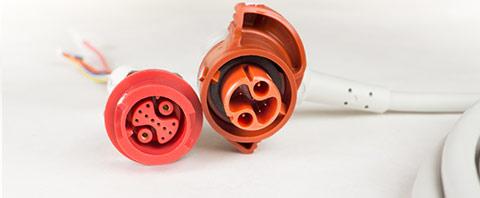
Medical electrical connectors play a critical role in modern healthcare, providing reliable electrical connections in a wide range of medical devices and equipment. These connectors are specially designed to meet the stringent requirements of medical environments, including safety, durability, and signal integrity. They are used in diagnostic machines, patient monitoring systems, imaging devices, and therapeutic equipment, ensuring that healthcare professionals can deliver accurate and efficient care.
The importance of medical electrical connectors cannot be overstated, as even minor failures in connectivity can impact patient outcomes. These connectors are designed to withstand frequent mating and unmating cycles, resist exposure to disinfectants and bodily fluids, and maintain stable electrical performance under various conditions. Unlike standard industrial connectors, medical connectors often need to comply with strict regulatory standards such as ISO 13485 and IEC 60601, which govern medical device safety and performance. Their design also emphasizes compactness, lightweight construction, and ease of use to support modern medical device ergonomics.
Types of Medical Electrical Connectors
Medical electrical connectors can be classified based on several factors, including their functionality, form factor, and application. Some of the most common types include:
1. Circular Connectors
Circular connectors are widely used in medical devices due to their robustness and ease of alignment. They typically feature a cylindrical design with multiple pins, allowing for secure and high-density connections. Circular connectors are commonly found in imaging equipment such as MRI and CT scanners, as well as in patient monitoring systems. Their circular shape ensures reliable contact and reduces the risk of accidental disconnection, making them ideal for critical medical applications.
2. Board-to-Board Connectors
Board-to-board connectors are designed to connect printed circuit boards (PCBs) within medical devices. They facilitate the transfer of signals, power, or data between different electronic components while maintaining high electrical performance. These connectors are often used in compact devices such as handheld monitors, infusion pumps, and portable diagnostic tools. Their design allows for flexibility in device layout, enabling manufacturers to create smaller, more efficient medical instruments.
3. Wire-to-Board Connectors
Wire-to-board connectors are essential for connecting cables to circuit boards. They are frequently used in medical devices that require modularity or need to transmit both power and signals from external sources to internal components. These connectors are engineered to minimize signal loss and ensure a reliable electrical path, which is crucial in applications like electrocardiograms (ECG), defibrillators, and ventilators.
4. Coaxial Connectors
Coaxial connectors are specialized connectors used for high-frequency signals, such as those in imaging equipment and diagnostic instruments. They maintain signal integrity by minimizing interference and signal loss, making them suitable for sensitive medical applications like ultrasound devices and wireless patient monitoring systems. Coaxial connectors are also designed to provide shielding from electromagnetic interference, ensuring accurate data transmission.
5. USB and Data Connectors
With the growing integration of digital technology in healthcare, USB and other data connectors have become increasingly important. They allow for rapid communication between medical devices and computers or data storage systems. Applications include patient data transfer, software updates for medical equipment, and connectivity for telemedicine devices. These connectors are designed to withstand repeated connections while maintaining a secure and stable signal.
Uses and Applications of Medical Electrical Connectors
Medical electrical connectors are utilized across a wide spectrum of healthcare settings. In hospitals, they are found in imaging machines, monitoring equipment, and surgical instruments. In laboratories, connectors are used in analytical devices, diagnostic analyzers, and automated testing systems. Their reliability ensures uninterrupted operation, which is crucial for both patient safety and the accuracy of diagnostic results.
In addition to their core functional uses, medical connectors are designed with hygiene and safety in mind. Many are constructed from materials that can tolerate repeated cleaning with disinfectants and resist corrosion from bodily fluids. Some connectors also include locking mechanisms to prevent accidental disconnection during critical procedures. This combination of electrical performance, durability, and safety makes medical electrical connectors an indispensable component of modern healthcare technology.
Furthermore, medical connectors contribute to the miniaturization of devices, enabling more portable and wearable medical technology. As healthcare continues to advance toward telemedicine and home-based monitoring, these connectors play a pivotal role in making devices more accessible, lightweight, and user-friendly for patients.
Conclusion
In summary, medical electrical connectors are vital components that ensure reliable and safe electrical connections within medical devices. They come in various types—including circular, board-to-board, wire-to-board, coaxial, and data connectors—each tailored to specific applications and performance requirements. By providing durability, signal integrity, and compliance with medical standards, these connectors enable the efficient functioning of modern medical technology. Understanding the different types and uses of medical connectors is essential for engineers, medical device designers, and healthcare professionals who rely on these components to deliver accurate, safe, and effective patient care.