Portable Telescopic Conveyors for Truck Loading Operations
Efficient loading and unloading of trucks is a critical aspect of modern warehouse and distribution center operations. Delays in these processes can disrupt the entire supply chain, increase labor costs, and reduce overall productivity. To address these challenges, many facilities are turning to portable telescopic conveyors. These systems provide the flexibility, speed, and reliability needed to streamline truck loading operations while reducing manual labor and improving safety.
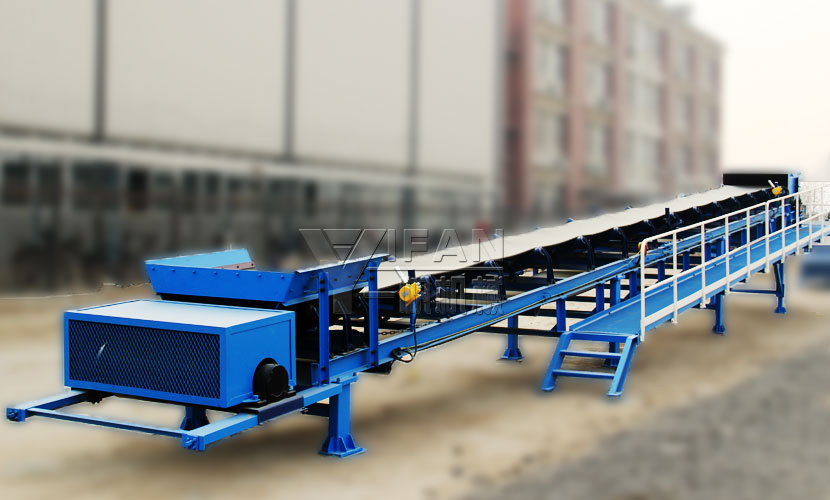
A portable telescopic conveyor is specifically designed for mobility and extendable reach, making it ideal for dynamic loading environments. Unlike fixed conveyors, portable systems can be repositioned to accommodate different truck sizes, dock configurations, and loading requirements. This adaptability allows warehouses to maintain high throughput and efficient workflow, even during peak periods or when handling a variety of shipment sizes and types.
Speed and Efficiency in Truck Loading
One of the primary advantages of portable telescopic conveyors is their ability to accelerate loading operations. Traditional methods often involve manual handling of packages, which is time-consuming and physically demanding. By extending directly into trucks and trailers, telescopic conveyors allow continuous movement of goods from the warehouse floor into the vehicle.
Automated or motorized extension features reduce the need for manual adjustment, enabling operators to load trucks faster and with less effort. This speed translates into reduced vehicle dwell times at loading docks, improved dock utilization, and the ability to process more shipments within the same operational hours.
Versatility for Different Package Types
Warehouses handle a wide range of packages, from small parcels to large cartons and irregularly shaped items. Portable telescopic conveyors are highly versatile and can accommodate varying weights, sizes, and shapes of goods. Adjustable belt widths, height options, and extension lengths ensure precise alignment with truck beds and storage areas, minimizing the risk of damage and ensuring smooth material flow.
This versatility is particularly valuable for operations that manage diverse product lines or seasonal fluctuations in shipments. By using a single conveyor system for multiple package types, facilities can reduce equipment costs and simplify workflow management.
Reducing Labor Costs and Enhancing Safety
Manual handling during truck loading operations can be physically demanding and prone to human error, leading to potential injuries or damaged goods. Portable telescopic conveyors reduce the need for repetitive lifting, bending, and carrying, improving ergonomics and worker safety.
In addition to reducing labor-related injuries, these conveyors streamline the workflow, allowing employees to focus on higher-value tasks such as sorting, scanning, or quality control. The combination of increased efficiency and safer operations contributes to lower overall labor costs and improved workforce productivity.
Space Optimization in Dock Areas
Dock areas often face space constraints, especially in busy distribution centers where forklifts, pallet jacks, and other equipment operate simultaneously. Portable telescopic conveyors offer a retractable design that occupies minimal floor space when not in use.
Their mobility allows operators to reposition the conveyor based on the truck type or dock layout, maximizing space utilization and ensuring that dock activities can proceed smoothly. By reducing clutter and optimizing the use of available space, these conveyors help maintain an organized and efficient loading environment.
Integration with Warehouse Automation
Modern warehouses increasingly rely on automation to manage high-volume operations. Portable telescopic conveyors can integrate with warehouse management systems (WMS), automated sorting lines, and scanning systems. This integration enables real-time monitoring of package flow, improved accuracy, and automated control of conveyor speed and positioning.
By linking conveyors with automation systems, warehouses can reduce human error, enhance throughput, and ensure consistent performance across multiple loading docks. This capability is particularly important for facilities handling e-commerce shipments or high-volume logistics operations.
Maintenance and Durability
Reliable performance and ease of maintenance are critical for continuous truck loading operations. Portable telescopic conveyors are built to withstand heavy-duty use, with durable belts, rollers, and extension mechanisms. Routine maintenance, including lubrication, belt inspection, and component checks, ensures smooth operation and prevents unexpected downtime.
Predictive maintenance features, available on some automated systems, alert operators to potential issues before they disrupt workflow. This proactive approach helps maintain consistent performance and extends the lifespan of the equipment.
Scalability and Flexibility
Warehouse operations often experience fluctuations in shipment volumes or changes in dock layouts. Portable telescopic conveyors provide scalability and flexibility, allowing facilities to adjust the system according to operational needs. Modular designs enable the addition of units or the extension of belts to handle larger loads or longer trucks.
The ability to scale and adapt ensures that the conveyor system remains effective over time, supporting both routine operations and peak periods without requiring significant infrastructure changes.
Conclusion
Portable telescopic conveyors are a practical and efficient solution for modern truck loading operations. By providing fast, flexible, and safe material handling, they reduce manual labor, optimize dock space, and improve throughput.
Investing in a well-suited portable telescopic conveyor allows warehouses and distribution centers to enhance productivity, maintain consistent workflow, and meet growing shipping demands. With their mobility, versatility, and integration capabilities, these systems are an essential tool for efficient and reliable truck loading operations.