
Automation in Poultry Processing Equipment Systems
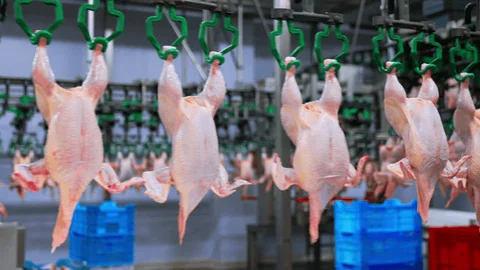
Automation has become a defining feature of modern poultry processing, transforming how facilities handle high volumes while maintaining quality, hygiene, and safety standards. Poultry processing equipment that incorporates automated systems allows operations to be faster, more efficient, and more consistent compared to traditional manual methods. For producers aiming to stay competitive, understanding the role of automation is crucial in selecting the right machinery for their facilities.
The integration of poultry processing equipment with automated features has revolutionized poultry production worldwide. Automated systems perform tasks ranging from stunning and bleeding to defeathering, evisceration, portioning, and packaging. These technologies minimize human intervention, reduce labor costs, and improve precision, enabling facilities to meet growing demand while ensuring compliance with food safety regulations and animal welfare standards.
Benefits of Automation in Poultry Processing
Automation in poultry processing offers multiple advantages. One of the primary benefits is increased efficiency. Automated machines can handle high volumes of birds with consistent speed and accuracy, reducing bottlenecks and maximizing throughput. This ensures that large-scale operations can meet production targets without compromising quality.
In addition to efficiency, automation enhances product consistency. Machines precisely control processing parameters such as cutting, deboning, or portioning, resulting in uniform products that meet consumer expectations. This level of precision is difficult to achieve with manual labor alone.
Reducing Labor and Operational Risks
Another major advantage of automation is labor reduction. Manual processing is labor-intensive and can lead to fatigue, inconsistent quality, and workplace injuries. Automated poultry processing equipment reduces the need for human intervention in high-risk areas, such as defeathering and evisceration, improving safety for workers.
Automation also minimizes human error. By standardizing processes and maintaining consistent performance, automated systems reduce the likelihood of mistakes that can result in product damage, contamination, or downtime.
Key Automated Systems in Poultry Processing
Several automated systems are commonly used in modern poultry processing equipment.
- Stunning and Bleeding Systems: Automated stunning systems ensure humane treatment and consistent bleeding, preparing birds for further processing. Electrical water bath or controlled atmosphere stunning machines maintain precise timing and conditions.
- Defeathering Machines: Automated plucking machines remove feathers efficiently and uniformly, reducing manual labor while preventing damage to the skin.
- Evisceration Systems: Robotic or sensor-guided evisceration machines remove internal organs accurately, maintaining hygiene and preventing contamination.
- Cutting and Deboning Equipment: Precision cutting machines provide uniform portions, and automated deboning systems improve yield while maintaining meat quality.
- Chilling and Packaging Systems: Automated chilling systems quickly lower carcass temperatures to inhibit bacterial growth, and packaging machines provide consistent sealing, labeling, and portioning, ensuring safe and market-ready products.
Integration with Smart Technology
Many modern automated systems include smart technology features. Sensors, programmable logic controllers (PLCs), and data monitoring systems allow real-time tracking of production parameters such as bird weight, processing speed, and machine performance.
These smart systems support predictive maintenance, alerting operators to potential issues before they cause equipment failure. They also enable data-driven decisions to optimize workflow, reduce energy consumption, and enhance overall operational efficiency.
Considerations When Adopting Automation
While automation offers significant benefits, facilities must consider several factors before investing in automated poultry processing equipment. The initial investment cost can be higher than manual systems, so careful planning is required to ensure return on investment.
Facilities should evaluate the scalability of the equipment, ease of integration into existing workflows, and the availability of technical support and training. Ensuring staff are properly trained to operate and maintain automated systems is essential for maximizing the benefits of automation.
Future Trends in Automated Poultry Processing
Automation in poultry processing continues to evolve with technological advancements. Emerging trends include artificial intelligence (AI) for quality inspection, robotic handling systems for complex tasks, and fully integrated smart processing lines that communicate with other production systems. These innovations promise even greater efficiency, safety, and precision in poultry operations.
Conclusion
Automation in poultry processing equipment systems has revolutionized the industry by improving efficiency, consistency, safety, and hygiene. From automated stunning and defeathering to evisceration, cutting, chilling, and packaging, these systems reduce labor requirements and operational risks while delivering high-quality products. Facilities that invest in automated machinery, supported by smart technology and proper training, can achieve greater productivity, operational efficiency, and competitiveness. As automation continues to advance, poultry processing operations will become faster, safer, and more precise, ensuring long-term success in a demanding industry.