Quality Standards for Custom Made Plush Toys
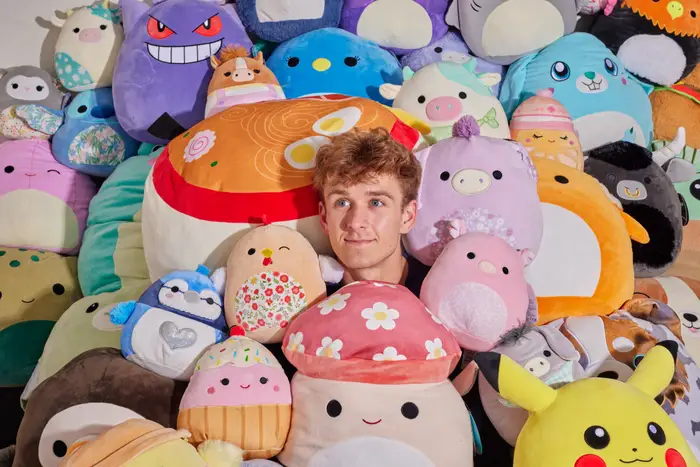
Custom made plush toys are more than just soft and cuddly products; they are items that must meet strict quality and safety standards. Whether designed for children, collectors, or promotional purposes, maintaining high quality is essential for durability, safety, and customer satisfaction. Manufacturers adhere to rigorous processes and standards to ensure that each custom plush toy meets expectations and complies with global regulations.
Importance of Quality Standards
Quality standards in custom plush manufacturing are crucial to protect consumers and preserve brand reputation. Plush toys are often intended for children, so they must be free from hazards such as choking, chemical exposure, and flammability risks. Maintaining consistent quality ensures that the toy remains durable, retains its shape, and provides a safe and enjoyable experience. Partnering with a reputable custom made plush toy manufacturer ensures access to materials, manufacturing processes, and testing protocols that meet or exceed industry standards.
Material Selection and Safety
The first step in maintaining quality standards is careful selection of materials. Fabrics, fillings, and accessories must be non-toxic, hypoallergenic, and durable. Common outer fabrics include polyester, cotton, minky, and velour, chosen for their softness, resilience, and safety. Fillings such as polyester fiberfill, weighted pellets, or biodegradable stuffing must be evenly distributed to maintain the toy’s shape and comfort. Accessories, including eyes, noses, and buttons, should be securely attached or embroidered to prevent choking hazards. Using high-quality, safe materials ensures that the plush toy is both child-friendly and long-lasting.
Design and Construction Standards
Design and construction are critical components of quality for custom plush toys. Manufacturers follow strict guidelines for stitching, seam strength, and overall assembly. Seams must be reinforced to withstand repeated handling, pulling, and washing. All elements of the toy, from limbs to accessories, are carefully measured and aligned to maintain symmetry and design integrity. Toys with special features such as sound modules, lights, or movable parts are constructed to ensure functionality while preventing potential hazards. Adhering to construction standards guarantees consistency across production batches, even for large orders.
Compliance With Global Safety Regulations
Compliance with international safety standards is essential for any custom plush toy. Manufacturers ensure that products meet requirements such as ASTM F963 in the United States, EN71 in Europe, and CPSIA guidelines for children’s products. These regulations cover mechanical and physical safety, chemical limits, flammability, and labeling. Regular testing and certification help verify that the toys are safe for their intended age group and can be legally sold in global markets. Maintaining compliance protects consumers and prevents legal or reputational issues for the manufacturer and brand.
Prototyping and Testing
Prototyping and rigorous testing are vital steps in quality assurance. Manufacturers create sample toys to evaluate design, materials, and construction before full-scale production. Testing includes assessing seam strength, durability, stuffing distribution, and accessory security. For interactive toys, functionality tests ensure that electronic or movable features operate correctly without posing risks. Multiple rounds of prototyping and testing help identify potential problems early, reducing errors and defects during bulk production.
Consistency in Mass Production
When producing multiple units, maintaining consistency is critical. Quality control measures include checking raw materials, monitoring production lines, and performing random inspections of finished toys. Any defect or deviation from the approved prototype is corrected immediately to prevent compromised products from reaching consumers. Consistency ensures that every unit reflects the same high standards, whether the order is a small batch or a large-scale production run.
Packaging and Labeling
Proper packaging and labeling also contribute to overall quality standards. Packaging must protect the toy during storage and shipping while being durable and visually appealing. Labels provide essential information such as age recommendations, materials, and care instructions. Clear labeling ensures compliance with safety regulations and informs consumers on how to handle and maintain the toy.
Continuous Improvement
Leading manufacturers implement continuous improvement programs to enhance quality standards over time. Feedback from consumers, testing data, and evolving safety regulations inform updates to materials, construction methods, and production processes. Continuous improvement helps manufacturers stay ahead of industry trends and maintain high levels of safety, durability, and customer satisfaction.
Conclusion
Quality standards for custom made plush toys encompass every aspect of production, from material selection and construction to testing, compliance, and packaging. Adhering to these standards ensures that plush toys are safe, durable, and visually appealing, meeting the expectations of children, collectors, and businesses alike. Partnering with a reliable custom made plush toy manufacturer guarantees access to professional expertise, high-quality materials, and rigorous quality control processes, resulting in plush toys that are safe, consistent, and of premium quality. High standards in manufacturing not only protect consumers but also strengthen brand reputation and build trust in the marketplace.