Advantages of Digital pH Sensors Over Traditional Methods
Accurate pH measurement is essential in laboratories, industrial processes, water treatment, and food production. Traditionally, pH was determined using chemical indicators or manual titration methods, which can be time-consuming, error-prone, and less precise. The advent of digital pH sensors has revolutionized how acidity and alkalinity are measured, providing more reliable and efficient solutions for modern applications.
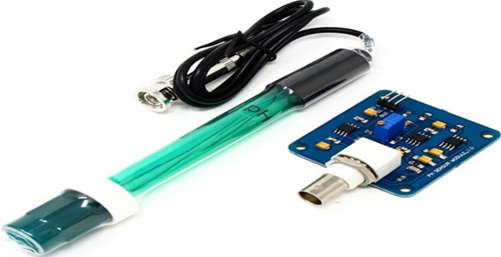
Digital pH sensors operate by detecting hydrogen ion concentrations in a solution and converting this chemical information into an electrical signal that can be easily read and interpreted. These sensors offer significant advantages over traditional methods, including faster measurements, higher accuracy, and the ability to integrate with automated systems. For a comprehensive explanation of their operation and key features, you can refer to this detailed guide on pH sensors, which highlights the technology and applications behind these devices.
Accuracy and Precision
One of the main advantages of digital pH sensors is their accuracy. Unlike colorimetric methods that rely on visual interpretation, digital sensors provide precise numerical readings, eliminating subjective errors. This level of precision is particularly important in pharmaceutical manufacturing, chemical production, and laboratory research, where small deviations can have significant consequences. Modern digital sensors are capable of detecting subtle changes in pH, ensuring that processes and experiments remain within specified parameters.
Speed and Efficiency
Digital pH sensors deliver rapid measurements, often in just a few seconds. Traditional titration methods can take several minutes to complete, which may slow down workflows, especially in high-throughput environments. The quick response of digital sensors enables real-time monitoring and immediate corrective actions, improving efficiency and reducing downtime in industrial and laboratory processes.
Ease of Use and Data Integration
Another advantage of digital pH sensors is their user-friendly interface and integration capabilities. Most sensors can connect to data logging systems, computers, or automated process controllers, allowing continuous monitoring and seamless record-keeping. This reduces manual labor and minimizes the risk of transcription errors associated with traditional pH measurement methods. Additionally, many sensors feature automatic temperature compensation, which ensures accurate readings across different conditions without requiring manual adjustments.
Durability and Maintenance
Digital pH sensors are designed for durability and long-term use. Many are built with robust glass electrodes, solid-state components, or protective housings that can withstand harsh chemical environments, temperature fluctuations, and repeated usage. Regular maintenance, including cleaning and periodic calibration, ensures consistent performance over time. Compared to traditional chemical indicators or manual titrations, digital sensors reduce consumable waste and ongoing operational costs.
Applications in Various Industries
Digital pH sensors are widely used across multiple sectors:
- Water Treatment: Monitoring pH levels in drinking water, wastewater, and industrial effluents to ensure safety and regulatory compliance.
- Food and Beverage: Controlling acidity in brewing, dairy, and processed food production to maintain quality and consistency.
- Pharmaceuticals: Ensuring accurate pH during drug formulation, fermentation, and quality control processes.
- Chemical Manufacturing: Optimizing reactions and maintaining process stability by monitoring pH in real time.
These applications benefit from the speed, accuracy, and automation capabilities of digital pH sensors, allowing industries to meet quality standards efficiently.
Advantages Summary
In summary, digital pH sensors offer clear benefits over traditional methods, including:
- High accuracy and precision, minimizing human error.
- Fast response times, enabling real-time monitoring.
- Ease of integration with digital systems for data logging and automated control.
- Durability and low maintenance, reducing operational costs.
- Consistent performance across different temperatures and chemical conditions.
These advantages make digital pH measurement a preferred choice in modern laboratories and industrial processes.
Conclusion
Digital pH sensors have transformed the way pH is measured, providing faster, more accurate, and more reliable results compared to traditional methods. Their precision, efficiency, and ability to integrate with automated systems make them indispensable tools in laboratories, manufacturing plants, water treatment facilities, and food production. By leveraging digital sensors, industries can enhance process control, maintain consistent quality, and reduce errors, ensuring safe and efficient operations across a wide range of applications.