A Complete Home Guide to Cabinet Wood: Comparing Materials, Costs, and Everyday Performance
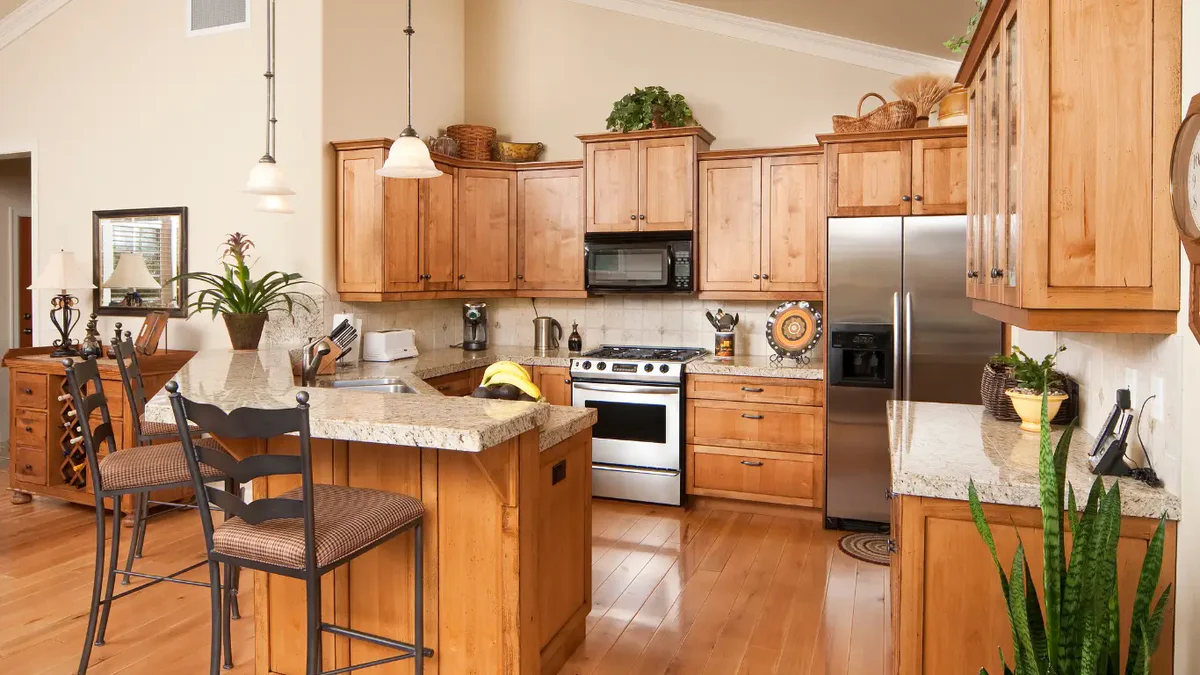
Choosing cabinet wood shapes how your kitchen or bathroom looks, feels, and functions for years. In simple terms: hardwood offers strength and timeless beauty, softwood provides affordability with natural charm, and engineered wood delivers modern consistency at lower cost. Each material varies in durability, maintenance, and price. This guide breaks everything down in practical language so you can confidently select cabinet wood that fits your lifestyle and budget.
When homeowners research Cabinet Wood Types and Costs, they often realize that cabinets are a long-term investment, not just a design feature. The right wood impacts durability, cleaning needs, and even property value.
The Three Core Cabinet Wood Categories
Nearly all cabinets are built using one of three material groups: hardwood, softwood, or engineered wood. Each category serves different needs depending on household activity, budget, and style preference.
Understanding these basics makes choosing cabinets much easier.
Hardwood Cabinets: Long-Lasting Quality with Classic Appeal
Hardwoods come from deciduous trees and are known for strength, density, and attractive grain patterns. They’re commonly chosen for high-traffic kitchens and long-term homes.
Oak
Oak is one of the most widely used cabinet woods thanks to its durability and bold texture. It handles daily wear well and works beautifully in traditional interiors.
- Highly impact resistant
- Accepts stain evenly
- Mid-range pricing
Maple
Maple provides a smooth appearance and subtle grain, making it ideal for contemporary kitchens or painted finishes.
- Extremely durable
- Clean visual profile
- Mid to upper price range
Cherry
Cherry develops deeper color as it ages, creating warmth and elegance. Though slightly softer than maple, it remains dependable.
- Naturally rich tones
- Beautiful aging process
- Premium pricing
Walnut
Walnut offers deep color and refined texture, often used in luxury cabinetry.
- Naturally dark finish
- Sophisticated look
- Higher investment
Why homeowners choose hardwood
- Exceptional longevity
- Can be refinished multiple times
- Strong resale appeal
Considerations
Hardwood costs more upfront and requires sealing to protect against moisture.
Softwood Cabinets: Budget-Friendly with Rustic Character
Softwoods come from evergreen trees and are lighter in density. While less durable, they’re popular in relaxed or farmhouse-style kitchens.
Pine
Pine is the most common softwood for cabinets. Its knots and grain give it a cozy, casual appearance.
- Affordable
- Easy to customize
- More prone to dents
Fir and Cedar
Less common but sometimes used in specialty projects. Cedar offers natural moisture resistance but lower hardness.
Advantages of softwood
- Lower starting cost
- Great for cottage aesthetics
- Easy to shape and modify
Drawbacks
Softwoods show wear more quickly and need extra care.
Engineered Wood Cabinets: Stable Solutions for Modern Homes
Engineered woods are manufactured by bonding fibers or layers together. They’re popular for their consistency and affordability.
Plywood
Plywood is frequently used for cabinet boxes due to its strength and resistance to warping.
- Holds fasteners securely
- Performs well in humidity
- Common in quality builds
MDF (Medium-Density Fiberboard)
MDF creates a smooth surface ideal for painted cabinets.
- No visible grain
- Excellent paint results
- More economical than solid wood
Particleboard
Particleboard is often found in entry-level cabinets. It’s inexpensive but vulnerable to water damage.
Why engineered materials are popular
- Cost-effective
- Uniform appearance
- Reduced warping
Limitations
Lower-grade products may struggle in damp environments.
General Price Levels for Cabinet Woods
While pricing varies by region, materials typically fall into these ranges:
- Entry level: Particleboard and pine
- Mid range: Oak and plywood
- Upper mid range: Maple and cherry
- Premium: Walnut and custom hardwood
Final cabinet costs also depend on door style, finish, hardware, and installation.
Additional Factors That Influence Cabinet Pricing
Wood species alone doesn’t determine total cost.
Cabinet Construction Type
- Stock cabinets: Lowest price
- Semi-custom: Moderate flexibility
- Custom: Highest investment
Finishes and Decorative Effects
Paint, glazing, and specialty stains increase labor and materials.
Door Styles
Flat doors are economical, while raised or inset doors cost more.
Storage Enhancements
Soft-close hinges, pull-out shelves, and organizers add comfort but raise overall pricing.
How to Pick the Right Cabinet Wood for Your Lifestyle
Your daily habits matter more than trends.
- Busy household? Choose maple, oak, or plywood construction.
- Want painted cabinets? MDF or maple works best.
- On a tight budget? Pine, oak, or engineered wood delivers value.
- Planning resale? Cherry, maple, and walnut attract buyers.
Climate also plays a role. In humid areas, plywood cabinet boxes outperform particleboard.
Simple Care Tips for Long-Lasting Cabinets
Protect your cabinets with easy maintenance:
- Clean spills immediately
- Use mild cleaners only
- Add liners near sinks
- Tighten hardware yearly
- Maintain stable indoor humidity
These habits help cabinets stay beautiful for decades.
Fast Answers for Voice Search
Which cabinet wood is most durable?
Maple and oak are among the strongest choices.
What is the cheapest cabinet material?
Particleboard and pine usually cost the least.
Are engineered cabinets reliable?
Yes, quality plywood and MDF offer excellent stability for the price.
Which cabinet wood adds the most home value?
Maple, cherry, and walnut generally provide the best resale appeal.
Final Thoughts
Choosing cabinet wood is about balancing style, durability, and budget. Hardwoods bring timeless elegance, softwoods provide affordable charm, and engineered materials offer practical performance. By matching your selection to your lifestyle and environment, you’ll invest in cabinets that enhance everyday living while supporting long-term property value.