How a pH Sensor for Water Supports Hydropower and Energy Industries
Water quality plays a critical role in the efficiency and longevity of equipment in hydropower plants and other energy production facilities. Parameters such as pH directly influence corrosion rates, scaling, and chemical reactions in turbines, pipelines, and cooling systems. Maintaining optimal pH levels is therefore essential not only for environmental compliance but also for operational reliability and energy efficiency. Monitoring and managing these levels requires precise instrumentation, with pH sensors being a cornerstone technology.
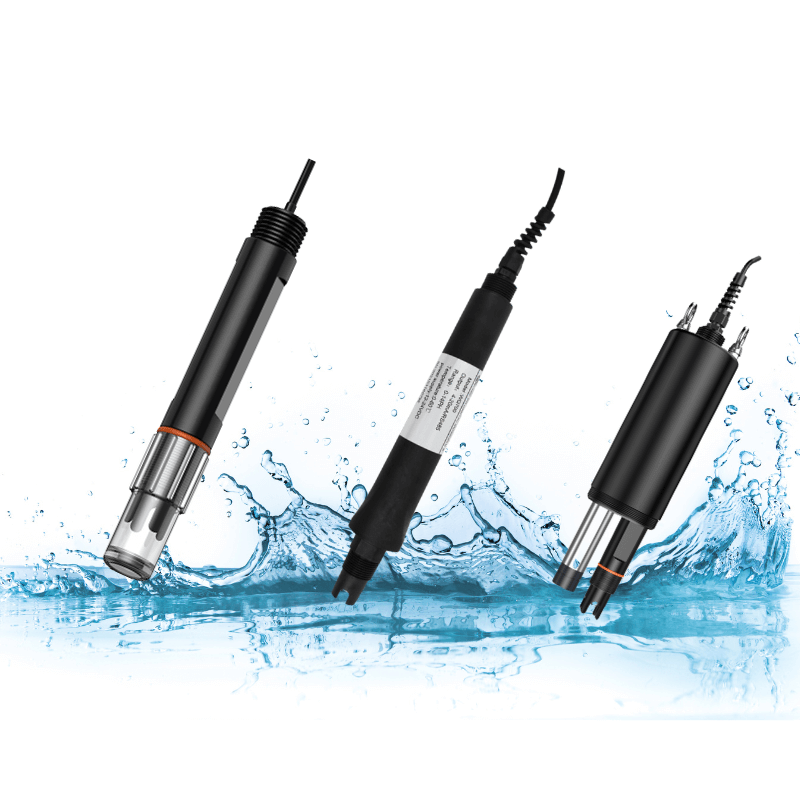
A pH Sensor for Water allows energy operators to continuously measure water acidity or alkalinity in real time. By integrating these sensors into hydropower and industrial water systems, plants can detect fluctuations quickly and take corrective actions before problems escalate. This proactive monitoring protects infrastructure, improves energy generation efficiency, and reduces maintenance costs over the long term.
The Importance of pH in Hydropower Operations
Hydropower facilities rely on large volumes of water flowing through turbines and associated infrastructure. The chemical composition of this water, including pH, affects both equipment and operational performance. Water that is too acidic can accelerate corrosion in metal components, while highly alkaline water can promote scaling and deposits. Both scenarios can reduce turbine efficiency, increase maintenance requirements, and potentially cause unplanned downtime.
Furthermore, pH influences chemical treatment effectiveness, including the addition of corrosion inhibitors, biocides, or scale prevention chemicals. Accurate monitoring ensures that chemical dosing is optimized, reducing waste and ensuring long-term equipment protection.
Applications of pH Sensors in the Energy Sector
pH sensors are widely used in multiple areas of energy production:
- Hydropower Plants: Continuous monitoring in turbines, reservoirs, and intake systems helps prevent corrosion and scaling.
- Cooling Water Systems: Ensures that water used in condensers and heat exchangers maintains optimal pH, improving heat transfer efficiency.
- Wastewater and Effluent Management: Tracks water discharged from energy facilities to ensure compliance with environmental regulations.
- Industrial Water Treatment: Supports automated chemical dosing for corrosion control and scale prevention.
In each of these applications, real-time monitoring provided by pH sensors helps operators make informed decisions and maintain optimal conditions for both efficiency and safety.
Advantages of High-Quality pH Sensors
Using high-quality pH sensors provides significant benefits for hydropower and energy industries:
- Accuracy: Delivers reliable measurements critical for precise chemical dosing and process control.
- Continuous Monitoring: Detects fluctuations in real time, preventing damage to equipment.
- Durability: Designed to withstand harsh water conditions, including temperature changes, high flow rates, and chemical exposure.
- Reduced Maintenance Costs: Helps prevent corrosion, scaling, and other issues that require expensive repairs or downtime.
- Regulatory Compliance: Supports reporting requirements and ensures safe discharge of treated water.
The combination of accuracy, reliability, and robustness makes pH sensors indispensable in energy-related water management.
Ensuring Measurement Reliability
To maintain consistent performance, pH sensors require regular calibration and maintenance. Calibration with standard buffer solutions corrects for drift over time, while cleaning and proper storage prevent contamination and electrode degradation. Many modern sensors feature automatic temperature compensation, further improving accuracy in environments with fluctuating water temperatures.
Monitoring water pH is most effective when combined with other parameters, such as conductivity, turbidity, and dissolved oxygen. Integrated monitoring systems allow operators to correlate water chemistry changes with equipment performance, enabling proactive maintenance and operational optimization.
Impact on Sustainability and Efficiency
Proper pH management contributes to the sustainability of energy operations. By minimizing corrosion and scaling, plants extend the lifespan of turbines, pipelines, and heat exchangers. Efficient chemical dosing reduces the environmental impact of water treatment and minimizes waste. Additionally, stable water chemistry improves energy generation efficiency, supporting both operational performance and environmental stewardship.
Conclusion
A pH sensor is a critical tool for hydropower and energy industries, providing accurate, real-time water quality monitoring that safeguards infrastructure and optimizes performance. By detecting and managing pH fluctuations, operators can prevent corrosion and scaling, ensure efficient chemical treatment, and maintain compliance with environmental regulations. Investing in high-quality sensors and integrating them into monitoring systems enhances operational reliability, energy efficiency, and long-term sustainability for water-dependent energy operations.