
How a pH Sensor Supports Environmental Monitoring
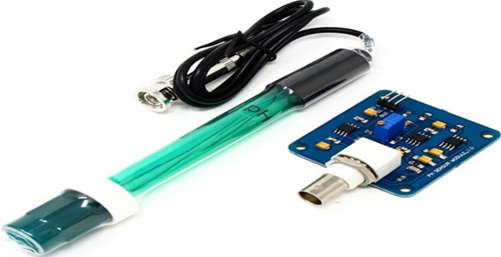
Monitoring environmental conditions is essential for protecting ecosystems, ensuring water safety, and supporting sustainable resource management. One of the most important parameters in environmental assessment is pH, which indicates the acidity or alkalinity of water, soil, and other natural resources. Maintaining proper pH levels is vital for aquatic life, plant growth, and the overall health of ecosystems.
A reliable pH sensor plays a central role in environmental monitoring programs. By providing accurate, real-time measurements, these sensors help scientists, regulatory agencies, and conservationists track environmental changes, detect pollution events, and implement timely corrective actions to protect natural habitats.
Understanding the Importance of pH in the Environment
pH is a key indicator of chemical balance in natural waters and soils. In aquatic ecosystems, small changes in pH can significantly affect fish, invertebrates, and plant species. Acidic or alkaline conditions may disrupt metabolic processes, reduce biodiversity, and increase the toxicity of certain chemicals. Similarly, soil pH affects nutrient availability and microbial activity, influencing crop health and ecological balance.
Monitoring pH levels allows environmental professionals to identify trends, detect contamination, and take action to mitigate harmful effects on ecosystems. Accurate measurement is essential for both short-term assessments and long-term environmental management.
Water Quality Monitoring
Water bodies such as rivers, lakes, and reservoirs are susceptible to pollution from industrial discharge, agricultural runoff, and urban development. pH measurement is a fundamental component of water quality monitoring, helping identify changes that may indicate contamination or chemical imbalances.
By integrating pH sensors into monitoring stations, agencies can continuously track water acidity or alkalinity. Real-time data allows for rapid detection of abnormal conditions, enabling timely interventions to prevent harm to aquatic life and ensure compliance with environmental regulations.
Soil and Agricultural Applications
Soil pH plays a critical role in determining nutrient availability, microbial activity, and plant growth. Environmental monitoring programs often use pH sensors to evaluate soil conditions in agricultural and ecological contexts. Proper pH management ensures that crops receive optimal nutrients, enhances soil health, and supports sustainable farming practices.
Continuous or periodic soil pH measurement helps identify areas requiring amendments such as lime or sulfur. This approach prevents soil degradation and maintains long-term fertility and ecosystem stability.
Industrial and Wastewater Monitoring
Industries and wastewater treatment facilities often influence environmental pH through effluent discharge. Monitoring pH in these streams is essential to prevent ecological damage and maintain regulatory compliance. Sensors provide continuous measurements that allow operators to adjust treatment processes, neutralize harmful chemicals, and prevent adverse environmental impacts.
Industrial monitoring with pH sensors ensures that discharged water does not harm aquatic ecosystems, reduces the risk of fines or penalties, and supports responsible environmental stewardship.
Benefits of Continuous pH Monitoring
Traditional laboratory testing involves periodic sampling, which may miss sudden pH changes caused by chemical spills, rainfall, or seasonal variations. Continuous monitoring using pH sensors provides a more complete and accurate picture of environmental conditions.
Real-time data allows for rapid decision-making, enabling proactive management of potential pollution events. Continuous monitoring also supports long-term trend analysis, helping researchers understand how environmental factors change over time and informing strategies for ecosystem conservation.
Supporting Research and Policy Development
Accurate environmental data is essential for scientific research, policy-making, and regulatory frameworks. pH sensors provide reliable information that supports studies on acidification, climate change, and ecosystem health. Policymakers use this data to establish standards, develop conservation strategies, and implement sustainable resource management practices.
The precision and reliability of pH sensors ensure that decisions are based on accurate, actionable information, enhancing the effectiveness of environmental programs.
Best Practices for Sensor Use
To maximize the effectiveness of pH sensors in environmental monitoring, proper installation, calibration, and maintenance are essential. Sensors should be placed in representative locations, calibrated regularly using standard buffer solutions, and cleaned according to manufacturer recommendations. Temperature compensation and protection from debris or fouling also help maintain accuracy.
By following best practices, environmental professionals can rely on pH sensors to provide consistent, high-quality data for monitoring water, soil, and industrial effluents.
Conclusion
pH measurement is a fundamental aspect of environmental monitoring, supporting the protection of water, soil, and ecosystems. A reliable pH sensor provides real-time, accurate data that enables rapid detection of environmental changes, supports pollution control, and informs long-term management strategies. By integrating these sensors into monitoring programs, researchers, regulators, and industries can maintain ecosystem health, ensure regulatory compliance, and promote sustainable environmental practices.