How Continuous Inkjet Printers Improve Production Efficiency
Continuous Inkjet (CIJ) printers have become a cornerstone of modern manufacturing, providing fast, reliable, and high-quality marking solutions. These printers are widely used in industries such as food and beverage, pharmaceuticals, electronics, and cosmetics for printing batch codes, expiration dates, barcodes, and logos. Beyond ensuring accurate product identification, CIJ printers play a significant role in improving overall production efficiency by reducing downtime, minimizing errors, and enabling flexible operations.
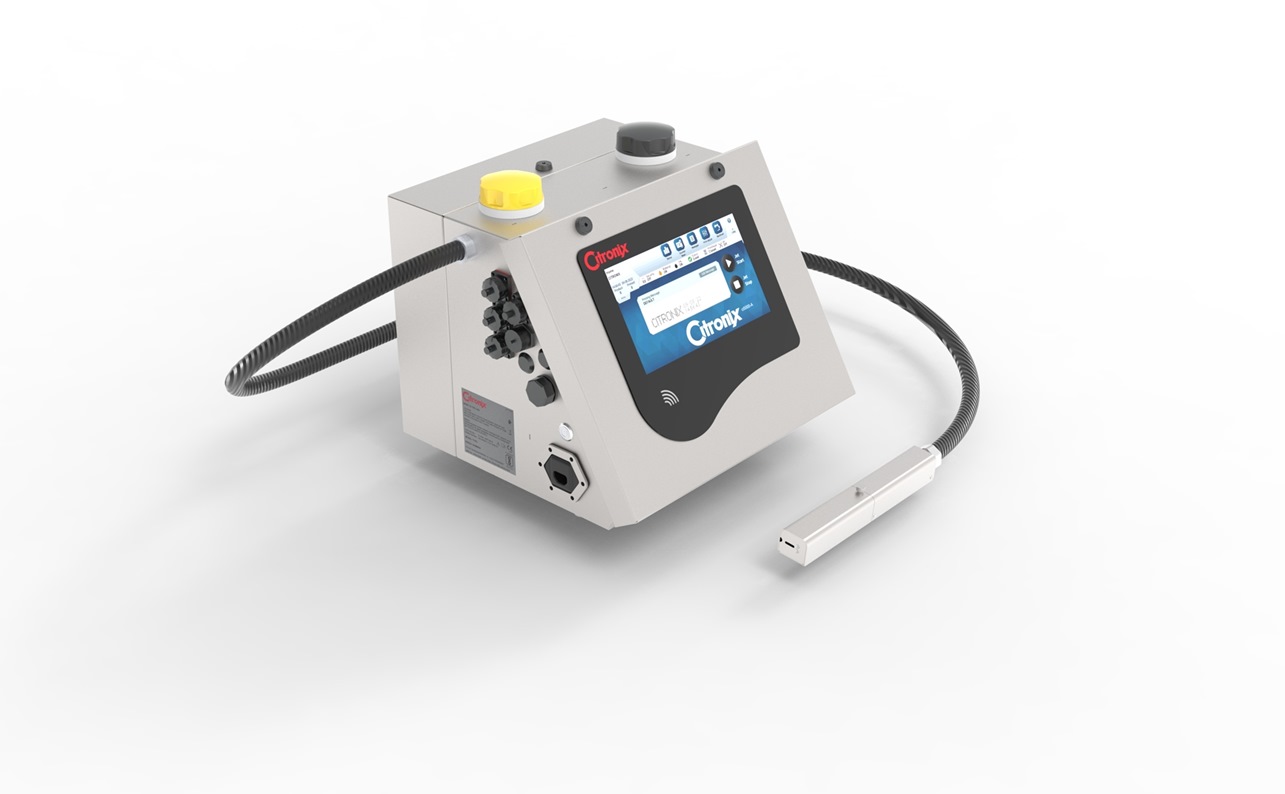
A Continuous Inkjet Printer is specifically designed to meet the needs of high-speed production environments. Many businesses depend on suppliers such as Continuous Inkjet Printer to deliver reliable printers capable of consistent performance across diverse materials and surfaces. By integrating these printers into production lines, manufacturers can streamline operations, improve workflow, and maintain high-quality marking standards without slowing down production.
High-Speed Printing for Increased Throughput
One of the primary ways CIJ printers improve production efficiency is through high-speed printing capabilities. Unlike other marking methods, CIJ printers can print continuously on products moving at rapid speeds along a production line. This allows manufacturers to maintain high throughput while applying clear, accurate, and legible markings. High-speed printing reduces bottlenecks and ensures that production schedules are met without compromising quality.
Non-Contact Printing Reduces Handling and Damage
CIJ printers use a non-contact printing method, which offers significant advantages in terms of efficiency. Since the printer does not physically touch the product, there is minimal risk of damage or deformation, even on fragile or irregularly shaped items. This reduces the need for additional handling, packaging adjustments, or secondary processing steps. Non-contact printing also allows for seamless integration into automated production lines, minimizing interruptions and maximizing operational efficiency.
Versatility Across Materials and Surfaces
Another factor that contributes to improved production efficiency is the versatility of CIJ printers. These printers can mark a wide range of substrates, including plastics, metals, glass, paper, and cardboard. They can also print on curved, textured, or irregular surfaces without requiring additional equipment or manual adjustments. This capability enables manufacturers to use a single printer for multiple product types, reducing the need for separate printing stations and simplifying line management.
Reduced Downtime Through Automated Maintenance
CIJ printers are engineered to operate continuously with minimal maintenance. Features such as automated printhead cleaning, ink recirculation, and clog detection prevent common issues that would otherwise cause production delays. By reducing unplanned downtime, manufacturers can maintain steady output and avoid costly interruptions. Scheduled maintenance is also simplified, as many printers offer automated diagnostics and predictive alerts, allowing operators to address potential issues before they affect production.
Flexible Data Printing Enhances Workflow
Continuous Inkjet printers excel at printing variable data, including batch codes, serial numbers, barcodes, and expiration dates. This flexibility allows manufacturers to switch between different product codes or print jobs without stopping the line. Unlike methods that require manual adjustments, CIJ printers can update printing content electronically in real time, reducing changeover times and increasing overall production efficiency. This is particularly beneficial for manufacturers handling multiple product lines or packaging variations.
Integration with Automated Production Systems
Modern CIJ printers can be fully integrated with automated production systems, enhancing workflow efficiency. Printers communicate with conveyors, sensors, and enterprise software to synchronize printing with product movement. This integration ensures accurate placement of markings, reduces human error, and enables real-time monitoring of production quality. By connecting CIJ printers to broader manufacturing execution systems (MES), operators can streamline operations, improve traceability, and optimize production line performance.
Consistent Quality Reduces Waste
Consistent print quality is another key factor in production efficiency. CIJ printers produce sharp, durable markings with minimal errors, reducing the risk of rejected products or rework. High-quality prints that remain legible throughout the supply chain prevent recalls, packaging issues, and wasted materials. The reliability of CIJ technology ensures that production processes run smoothly and that output meets regulatory standards and customer expectations.
Conclusion
Continuous Inkjet printers significantly enhance production efficiency across various industries. Their high-speed, non-contact operation, substrate versatility, automated maintenance features, and flexible data printing contribute to smoother workflows, reduced downtime, and higher throughput. By integrating a Continuous Inkjet Printer into a production line, manufacturers can maintain consistent print quality, improve traceability, and streamline operations. Leveraging this technology enables businesses to meet production goals, reduce waste, and optimize overall manufacturing performance in fast-paced, high-demand environments.