
How Football Leagues and Tournaments Are Organized
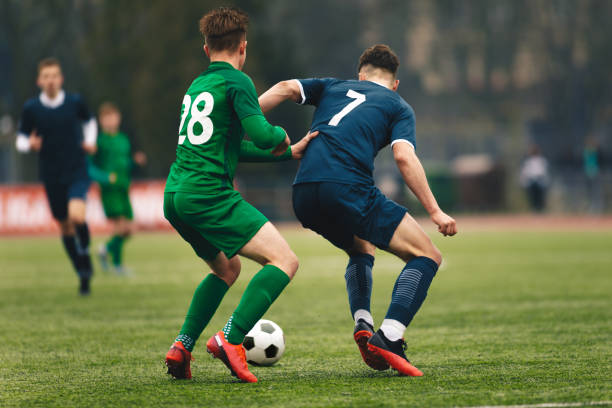
Football is the world’s most popular sport, followed and played by millions across continents. Behind the excitement of matchdays, trophies, and rivalries lies a well-defined organizational structure that keeps competitions fair, competitive, and engaging. Understanding how football leagues and tournaments are organized helps fans appreciate the sport beyond the final scoreline. From domestic leagues to international tournaments, every competition follows a system designed to balance competition, development, and entertainment.
The Structure of Domestic Football Leagues
Domestic football leagues form the backbone of professional football. Almost every football-playing nation operates a league system where clubs compete over a season, usually lasting several months.
Most leagues follow a round-robin format, meaning each team plays against every other team in the league, typically once at home and once away. Points are awarded based on match results:
- 3 points for a win
- 1 point for a draw
- 0 points for a loss
At the end of the season, teams are ranked by total points. Goal difference and goals scored are often used as tiebreakers.
Promotion and Relegation System
One of the defining features of football leagues is promotion and relegation. Instead of fixed memberships, leagues are connected vertically:
- Top-performing teams in lower divisions are promoted
- Poor-performing teams in higher divisions are relegated
This system ensures competitiveness and gives smaller clubs a pathway to reach top-tier football. It also keeps every match meaningful, even for teams not competing for the title.
Cup Competitions: Knockout Football
Alongside league play, most countries organize domestic cup tournaments. These competitions usually follow a knockout format, where losing teams are eliminated after a single match or two-legged tie.
Cup tournaments differ from leagues in several ways:
- Matches are often one-off games
- Lower-division teams can face top clubs
- Upsets are common and celebrated
Because of their unpredictable nature, cup competitions add excitement and variety to the football calendar.
Continental Club Tournaments
Beyond domestic competitions, top clubs qualify for continental tournaments based on their league performance. These tournaments are organized by regional governing bodies and feature elite teams from multiple countries.
Common organizational features include:
- Qualification through domestic league rankings
- Group stages followed by knockout rounds
- Strict scheduling to avoid clashes with league matches
These competitions showcase different playing styles and raise the global profile of clubs and players alike.
International Tournaments for National Teams
Football is not limited to clubs. National teams compete in international tournaments that are carefully structured and spaced across multiple years.
Most international tournaments involve:
- Qualification rounds spread over months or years
- Final tournaments hosted by one or more countries
- Group stages followed by knockout rounds
These events are often the pinnacle of international football and require coordination between national federations, clubs, and global governing bodies.
Role of Governing Bodies in Organization
Football’s structure is maintained by a hierarchy of governing organizations:
- Global bodies oversee international rules and tournaments
- Continental bodies manage regional competitions
- National associations run domestic leagues and cups
These organizations set regulations for:
- Competition formats
- Player eligibility
- Refereeing standards
- Financial fair play
Their role ensures consistency across leagues and tournaments while allowing flexibility to accommodate regional differences.
Scheduling and Calendar Management
One of the most complex aspects of organizing football competitions is scheduling. Leagues, cups, continental tournaments, and international matches must all fit into a crowded calendar.
Organizers aim to:
- Prevent player overload
- Allow recovery time between matches
- Balance commercial and sporting interests
This careful planning ensures players perform at a high level while maintaining fairness across competitions.
Why Organization Matters to Fans and the Industry
A well-organized football structure benefits everyone involved. Fans enjoy predictable seasons, dramatic finales, and meaningful matches throughout the year. Clubs can plan long-term strategies, while broadcasters and sponsors rely on consistent schedules.
Even areas connected to fan engagement, such as statistics, analysis, and discussions around Football betting, depend on clearly structured leagues and tournaments to function smoothly and transparently.
Conclusion
Football leagues and tournaments are far more than a series of matches—they are carefully designed systems that balance competition, opportunity, and entertainment. From domestic leagues with promotion and relegation to international tournaments that unite nations, organization is what allows football to thrive globally. Understanding this structure deepens appreciation for the sport and highlights why football continues to captivate fans around the world year after year.