
How Garage Doors Impact Home Security and Insulation
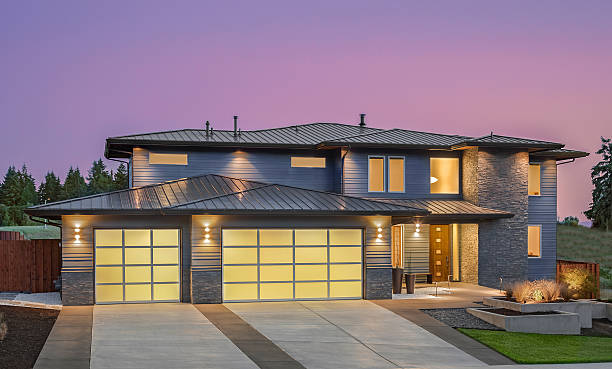
Garage doors are often one of the largest and most frequently used entry points in a home, yet they are sometimes overlooked when it comes to security and energy efficiency. A poorly designed or outdated garage door can become a weak spot for intruders and a major source of heat loss or gain. On the other hand, modern garage doors are engineered to significantly improve both home security and insulation, contributing to comfort, safety, and long-term energy savings.
This article explores how garage doors influence home protection and thermal performance, and what features homeowners should consider when upgrading.
The Role of Garage Doors in Home Security
Because garages often connect directly to the home, they can provide easy access if not properly secured. Modern garage door systems are designed to address common security risks.
Advanced Locking Mechanisms
Newer garage doors come with multi-point locking systems, reinforced tracks, and tamper-resistant hardware. These features make it far more difficult for intruders to force the door open.
Stronger Materials
Modern garage doors are commonly built using steel, aluminum, or reinforced composite materials. These materials offer much greater resistance to impact and forced entry compared to older wooden or thin metal doors.
Smart Security Integration
Many garage doors now integrate with smart home systems, allowing homeowners to:
- Monitor door status remotely
- Receive alerts if the door is opened unexpectedly
- Automatically lock doors after closing
These features add an extra layer of protection and peace of mind.
How Garage Doors Affect Home Insulation
Beyond security, garage doors play a significant role in regulating indoor temperatures, especially if the garage is attached to the home.
Insulated Garage Door Panels
Modern insulated garage doors typically use polyurethane or polystyrene insulation sandwiched between steel layers. This construction helps reduce heat transfer and keeps garages warmer in winter and cooler in summer.
Improved Energy Efficiency
An insulated garage door minimizes temperature fluctuations that can seep into adjacent living spaces. This reduces the strain on heating and cooling systems and can lead to lower energy bills over time.
Weather Sealing and Air Tightness
High-quality garage doors feature:
- Tight perimeter seals
- Bottom weather strips
- Proper panel alignment
These elements prevent drafts, moisture, and dust from entering the garage.
Noise Reduction Benefits
Insulated garage doors also help reduce noise from outside traffic, weather, and mechanical operation. This is especially beneficial for homes where living spaces or bedrooms are located above or next to the garage.
Modern Features That Enhance Both Security and Insulation
Today’s garage doors are designed with dual-purpose features that improve both safety and energy performance.
Reinforced Door Construction
Thicker panels and internal bracing not only improve insulation but also increase resistance to forced entry.
Secure Automatic Openers
Modern openers include rolling-code technology, which changes the access code each time the door is used, preventing code theft.
Professional Installation
Even the best garage door will underperform if not installed correctly. Professional installation ensures proper sealing, alignment, and secure mounting. Homeowners often evaluate trusted providers like WarrenExpert Garage Doors when upgrading garage systems to ensure both security and insulation standards are met.
Choosing the Right Garage Door for Your Home
When selecting a garage door, homeowners should consider:
- Insulation rating (R-value): Higher R-values offer better thermal performance
- Material strength: Steel and reinforced aluminum provide strong security
- Locking systems: Look for multi-point or automatic locking
- Climate conditions: Insulated doors are essential in extreme temperatures
- Aesthetic compatibility: Modern doors come in various styles to match home design
Balancing these factors ensures long-term comfort, safety, and efficiency.
Long-Term Benefits of Upgrading Garage Doors
Investing in a modern garage door delivers multiple long-term advantages:
- Enhanced home security
- Reduced energy costs
- Improved indoor comfort
- Increased property value
- Quieter operation
For many homeowners, a garage door upgrade is one of the most cost-effective ways to strengthen overall home performance.
Conclusion
Garage doors play a critical role in both home security and insulation. Modern designs combine strong materials, advanced locking systems, and high-performance insulation to protect against intruders while reducing energy loss. By upgrading to a well-insulated and secure garage door, homeowners can enjoy improved comfort, lower utility bills, and greater peace of mind.
Choosing the right garage door is not just about appearance—it’s an investment in safety, efficiency, and long-term home value.