
How RF Connectors Suppliers Manage Inventory and Delivery
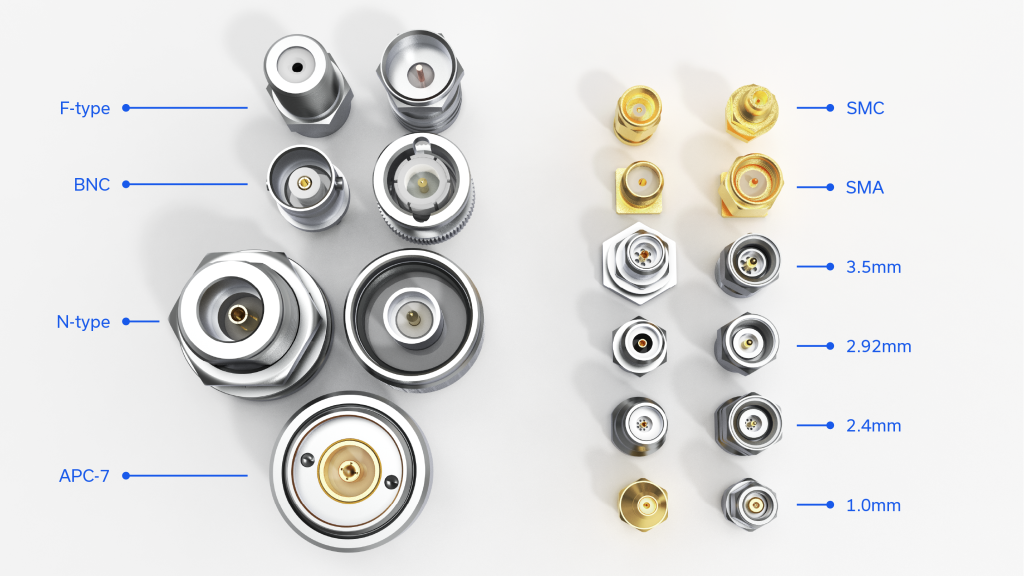
RF connectors are critical components in electronic systems, ensuring reliable signal transmission in applications ranging from telecommunications and aerospace to defense and medical devices. For manufacturers and businesses relying on these components, consistent availability and timely delivery are crucial to maintain production schedules and meet market demands. Managing inventory and delivery efficiently is a key responsibility of an RF connectors supplier, requiring a combination of technology, planning, and logistical expertise. Understanding how suppliers handle these processes helps businesses choose reliable partners that support operational efficiency.
Inventory Management Strategies
Effective inventory management is essential for RF connectors suppliers to meet customer demand without overstocking or causing delays. Suppliers often use advanced inventory management systems to monitor stock levels in real-time, track incoming orders, and forecast future demand. By analyzing historical sales data, seasonal trends, and production schedules, suppliers can optimize inventory levels, ensuring that frequently used components are readily available while minimizing excess stock.
RF connectors come in a wide variety of types, sizes, and specifications, and each variation may have different demand patterns. A skilled RF connectors supplier categorizes products based on usage frequency, lead time, and criticality to maintain a balanced inventory. High-demand connectors may be kept in larger quantities, while specialized or custom connectors are managed with tighter control, often using a just-in-time approach to reduce storage costs and avoid obsolescence.
Advanced technologies such as barcode scanning, RFID tracking, and automated inventory software help suppliers maintain accurate records and reduce errors. These systems enable real-time visibility into stock levels, streamline order processing, and ensure that the correct components are available when needed.
Order Fulfillment and Timely Delivery
An efficient delivery process is as important as effective inventory management. Suppliers coordinate production schedules, warehouse operations, and logistics to ensure that RF connectors reach customers on time. By integrating inventory management systems with shipping and logistics platforms, suppliers can track orders from placement to delivery, providing customers with accurate lead times and shipment updates.
Many top-tier RF connectors suppliers also offer flexible delivery options to accommodate urgent orders or specific project requirements. Whether shipping standard connectors in bulk or customized components for specialized applications, suppliers coordinate with carriers and logistics partners to ensure timely and secure delivery. Businesses can rely on these suppliers to meet production deadlines and minimize downtime caused by component shortages.
A dependable RF Connectors Supplier ensures that products are packaged securely, minimizing the risk of damage during transit. Proper labeling, protective packaging, and handling instructions are essential, especially for connectors used in high-frequency or sensitive applications, where even minor damage can impact performance.
Demand Forecasting and Replenishment
Accurate demand forecasting is critical for balancing inventory and ensuring uninterrupted supply. RF connectors suppliers analyze trends in customer orders, industry requirements, and emerging technologies to predict future demand. This proactive approach helps prevent stockouts, overstocking, and production delays.
Replenishment strategies are often automated through inventory management systems. When stock levels fall below predetermined thresholds, suppliers trigger replenishment orders with manufacturers or production teams. This ensures that connectors are consistently available without excessive lead times. For businesses that rely on specialized or high-frequency connectors, such predictive inventory management is crucial for maintaining operational continuity.
Supply Chain Coordination
Managing inventory and delivery requires seamless coordination across the supply chain. RF connectors suppliers work closely with manufacturers, logistics providers, and customers to align production schedules, inventory levels, and shipping timelines. Strong supplier relationships and efficient communication help address potential disruptions, such as delays in raw material supply or transportation challenges.
Suppliers may also maintain buffer stock or strategic safety inventory for critical components to mitigate risks associated with supply chain disruptions. By anticipating potential delays and preparing contingency plans, suppliers ensure that businesses can continue production without interruption.
Technology and Automation in Inventory and Delivery
Modern RF connectors suppliers leverage technology and automation to enhance inventory and delivery management. Cloud-based platforms allow real-time tracking of stock levels, automated order processing, and integration with customer systems for seamless communication. Automated warehouses and robotic picking systems increase efficiency, reduce human error, and speed up order fulfillment.
Data analytics plays a key role in identifying trends, optimizing stock levels, and improving delivery accuracy. By combining technology with strategic planning, suppliers can reduce operational costs while improving service levels, reliability, and customer satisfaction.
Conclusion
Effective inventory and delivery management are vital functions of an RF connectors supplier. By implementing advanced inventory systems, demand forecasting, supply chain coordination, and automated processes, suppliers can ensure timely availability and delivery of high-quality connectors. These practices minimize production delays, reduce operational risks, and enhance customer confidence.
Partnering with a reliable RF connectors supplier provides businesses with the assurance that their components will be consistently available, delivered on time, and maintained to the highest quality standards. Efficient inventory and delivery management ultimately support operational efficiency, cost-effectiveness, and the overall success of electronic systems and applications.