Industrial Applications of Agitated Filters
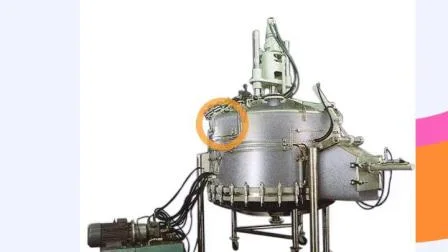
Agitated filters are a critical component in modern industrial processes, providing efficient solutions for solid-liquid separation, washing, and drying in a single piece of equipment. They are widely used in chemical, pharmaceutical, food, and specialty manufacturing industries due to their ability to handle a variety of materials, including powders, slurries, and reactive substances. By combining agitation with filtration, these systems improve process efficiency, ensure consistent product quality, and reduce operational risks associated with handling hazardous or sensitive materials.
One of the most significant advantages of an Agitated Filter is its versatility across different industrial applications. In pharmaceutical production, these filters are used for isolating active pharmaceutical ingredients (APIs) while maintaining high purity standards. The integrated washing and drying capabilities allow manufacturers to remove residual solvents and impurities efficiently, ensuring that the final product meets strict regulatory requirements. The enclosed design of agitated filters also minimizes operator exposure to toxic or reactive materials, enhancing workplace safety and compliance with Good Manufacturing Practices (GMP).
Chemical Industry Applications
In the chemical industry, agitated filters are essential for the production of fine chemicals, intermediates, and specialty chemicals. These filters can handle highly viscous slurries, corrosive liquids, and reactive compounds that are difficult to process using conventional filtration methods. The agitation system prevents filter cake compaction, improves solvent penetration during washing, and accelerates drying times. Applications include the recovery of catalysts, separation of reaction products, and purification of chemical intermediates. The flexibility of agitated filters allows chemical manufacturers to scale operations from laboratory trials to full industrial production without compromising efficiency or product quality.
Pharmaceutical Industry Applications
The pharmaceutical sector heavily relies on agitated filters for the production of APIs, vaccines, and other high-purity compounds. Their closed-system design reduces contamination risks while maintaining precise control over filtration and drying parameters. Agitated filters are used to isolate solids after chemical synthesis, wash away impurities, and dry products under controlled temperature and vacuum conditions. These features make them ideal for handling sensitive or thermally unstable compounds. Moreover, the automation and monitoring capabilities of modern agitated filters enhance reproducibility and regulatory compliance, which are critical factors in pharmaceutical manufacturing.
Food and Beverage Industry Applications
In the food and beverage industry, agitated filters play a vital role in processing ingredients, additives, and natural extracts. They are used to separate solids from liquids in the production of edible oils, fruit juices, and dairy products. The agitation mechanism ensures uniform filtration, prevents clogging, and facilitates washing to remove residual sugars, salts, or unwanted solids. Additionally, the drying function can be used for powdered ingredients such as protein concentrates or flavor additives, providing a consistent and high-quality final product. By integrating multiple processing steps into one vessel, agitated filters reduce production time, labor costs, and contamination risks in food processing applications.
Specialty Chemical and Material Applications
Agitated filters are also widely used in specialty chemical and materials manufacturing. Industries producing pigments, dyes, resins, or battery materials benefit from their ability to process abrasive or fine powders efficiently. The agitation system ensures consistent particle size distribution and prevents settling during filtration. For high-value materials, the enclosed operation reduces waste and improves recovery rates. In addition, the precise control over drying and washing parameters allows manufacturers to achieve exact specifications for particle purity and moisture content, which are critical for product performance in applications such as electronics, coatings, and advanced materials.
Environmental and Waste Management Applications
Agitated filters can also be applied in environmental and waste management processes. They are effective in treating industrial effluents, recovering valuable solids from wastewater, and dewatering sludge. By combining filtration, washing, and drying in a single unit, these filters minimize the volume of waste, reduce disposal costs, and improve sustainability. In industries with stringent environmental regulations, the ability to recover solvents and reduce chemical discharge makes agitated filters an environmentally friendly solution for waste processing.
Advantages in Industrial Settings
Across all applications, the advantages of using agitated filters are clear. They reduce the need for multiple pieces of equipment, streamline production workflows, and ensure consistent product quality. Their enclosed design enhances safety, minimizes contamination risks, and supports compliance with industry-specific regulations. Modern systems also offer automation, real-time monitoring, and data logging, which improve operational efficiency and simplify process validation.
In conclusion, agitated filters are versatile and indispensable in a wide range of industrial applications. From chemical and pharmaceutical manufacturing to food processing, specialty materials, and environmental management, these filters provide efficient, safe, and reliable solutions for solid-liquid separation. Their ability to integrate filtration, washing, and drying in a single unit enhances productivity, reduces operational costs, and ensures high-quality outcomes, making them a cornerstone of modern industrial processes.