Large Industrial Fans for Warehouses and Factories: Selection and Safety Tips
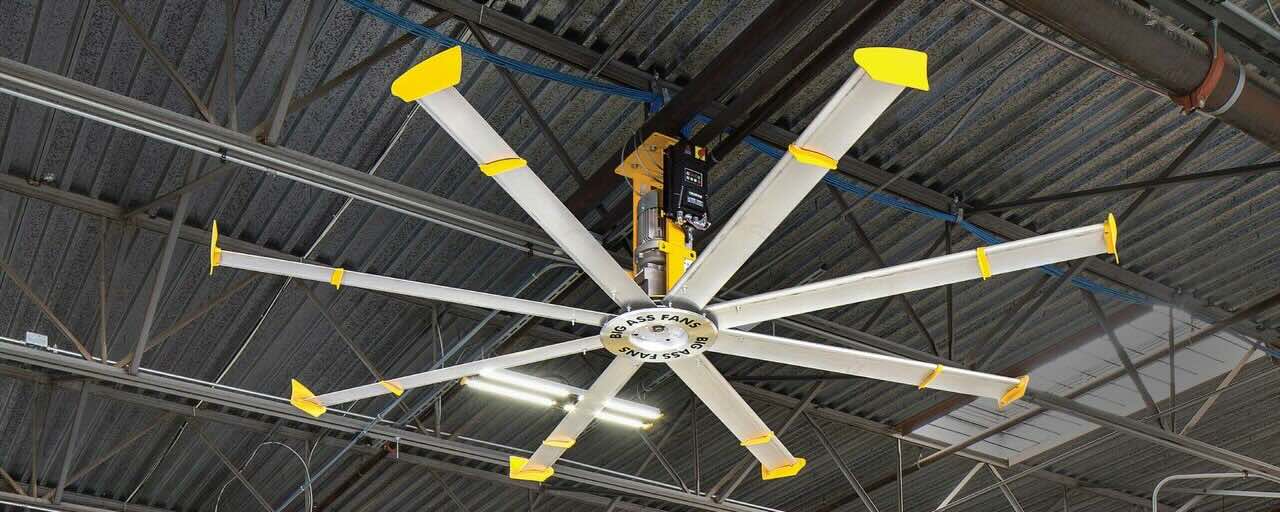
Maintaining proper airflow and temperature control is a critical challenge for warehouses and factories. Large industrial spaces often experience heat build-up, stagnant air, and uneven temperature distribution due to high ceilings, heavy machinery, and dense storage layouts. Poor ventilation can affect worker comfort, reduce productivity, and even damage stored products or equipment. To address these challenges, installing high-capacity fans specifically designed for industrial environments has become a common and effective solution.
Choosing the right Large Industrial Fans ensures optimal airflow, energy efficiency, and safety in commercial facilities. These fans are engineered to move massive volumes of air across wide spaces, improving air circulation and regulating temperature. By integrating these fans into a facility’s ventilation strategy, warehouses and factories can maintain a safer, more comfortable, and more productive working environment.
Applications of Large Industrial Fans
Large industrial fans are widely used in warehouses, factories, distribution centers, manufacturing plants, and other high-ceiling facilities. In warehouses, they help control temperature variations, reducing hot spots caused by sunlight, machinery, or stored goods. This consistent airflow also lowers humidity levels, protecting inventory from moisture damage and reducing the risk of mold or corrosion.
In factories and manufacturing plants, these fans improve air quality by dispersing dust, fumes, and airborne particles. Better air circulation ensures that workers are less exposed to heat and airborne contaminants, which promotes safety and compliance with occupational health regulations. Additionally, industrial fans can complement existing HVAC systems by distributing conditioned air more evenly and reducing energy costs.
Key Factors in Selecting Industrial Fans
Selecting the appropriate industrial fan requires careful consideration of several factors. First, the size of the facility and ceiling height play a significant role in determining the fan’s diameter and airflow capacity. Large spaces with high ceilings often require fans with longer blades to circulate air effectively from top to bottom.
Motor performance is another critical factor. Efficient, durable motors ensure reliable operation and longevity, even under continuous usage. Blade design also influences airflow efficiency; aerodynamically optimized blades move more air with less energy, reducing operating costs while improving comfort. Some fans come with variable speed controls, enabling facility managers to adjust airflow according to seasonal changes, occupancy levels, or operational needs.
Safety Considerations and Installation Tips
Safety is paramount when installing large industrial fans. These fans are heavy and operate at high speeds, making proper mounting and positioning crucial. Ceiling-mounted fans must be securely fastened to structural beams or supports to prevent accidents. In addition, maintaining appropriate clearance around the fan ensures safe operation without interference from equipment, shelving, or overhead structures.
Electrical safety is equally important. Fans should be installed by qualified professionals following manufacturer guidelines and local electrical codes. Proper grounding and protection against power surges reduce the risk of electrical hazards, ensuring safe and consistent operation.
Maintenance Practices for Longevity
Regular maintenance extends the life of large industrial fans and ensures they operate at peak efficiency. Routine cleaning of blades and motor housings prevents dust and debris accumulation, which can affect airflow and create imbalance. Periodic inspections of mounting hardware and mechanical components help identify potential issues before they escalate, reducing downtime and repair costs.
Lubrication of moving parts, if recommended by the manufacturer, also ensures smooth operation and reduces wear and tear. High-quality industrial fans are designed for continuous use, but consistent maintenance enhances durability and performance, making the investment more cost-effective over time.
Energy Efficiency and Cost Savings
One of the primary benefits of large industrial fans is energy efficiency. Compared to air conditioning systems, industrial fans consume significantly less electricity while maintaining comfortable working conditions. By improving air circulation, these fans allow HVAC systems to operate more effectively, reducing energy consumption and lowering utility bills.
Additionally, regulating indoor temperatures can improve worker productivity and comfort. Facilities with better airflow often report fewer heat-related incidents, higher morale, and more efficient operations, all of which contribute to long-term cost savings.
Conclusion
Large industrial fans are a vital solution for warehouses, factories, and other expansive commercial spaces. They enhance airflow, regulate temperature, and support better air quality, which improves worker comfort and operational efficiency. Careful selection based on facility size, motor performance, and blade design, combined with proper installation and maintenance, ensures that these fans deliver maximum benefits while maintaining safety. By integrating Large Industrial Fans into their ventilation strategy, businesses can create a more comfortable, energy-efficient, and productive environment for employees and operations alike.