
Modern Technologies Used in Ductwork Fabrication
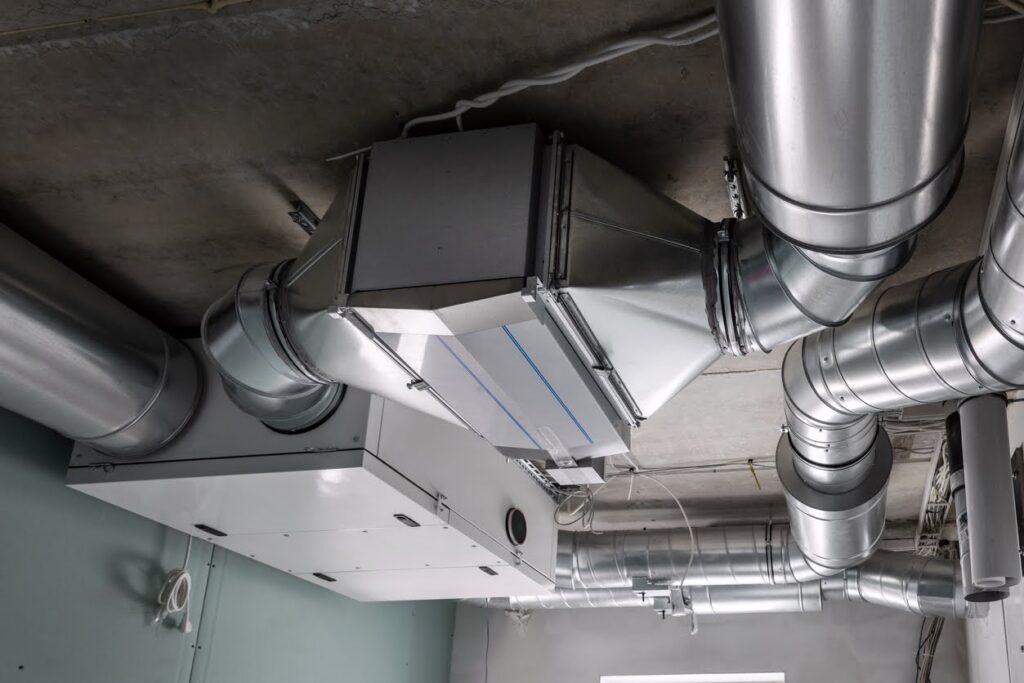
Ductwork fabrication is a fundamental component of HVAC system design, influencing airflow efficiency, energy consumption, and indoor air quality. Traditionally, duct fabrication involved manual cutting, bending, and assembly, which required significant labor and skill. However, modern technologies have revolutionized this process, enabling faster production, improved precision, and enhanced system performance. These advancements allow HVAC professionals to produce high-quality ducts that meet strict standards while reducing time and costs.
Modern ductwork fabrication integrates automation, digital tools, and specialized machinery to streamline production. High-quality ductwork fabrication systems now incorporate computer-controlled equipment, advanced cutting tools, and intelligent software solutions. By leveraging these technologies, workshops can maintain consistent quality, minimize errors, and handle complex designs with ease. This shift from manual to technology-driven fabrication has set new benchmarks in precision, productivity, and overall efficiency.
Computer Numerical Control (CNC) Machines
One of the most significant advancements in ductwork fabrication is the use of CNC machines. CNC technology allows operators to program precise cutting and bending patterns directly into the machine, eliminating the need for manual measurement and layout. These machines can handle a variety of materials, including galvanized steel, aluminum, and pre-insulated panels, with consistent accuracy. CNC machines reduce material waste, accelerate production timelines, and allow for the fabrication of complex shapes and angles that would be difficult to achieve manually.
Laser Cutting Technology
Laser cutting is another modern technology transforming duct fabrication. Laser cutters provide high precision and clean edges, which are essential for tight-fitting duct joints and reduced air leakage. This technology is particularly useful for cutting intricate designs or working with thick metal sheets where traditional shears or saws may struggle. In addition to accuracy, laser cutting minimizes material distortion and improves overall product quality, making it a preferred choice for high-performance HVAC systems.
Automated Bending and Forming Machines
Manual bending and forming of duct sections can be time-consuming and prone to inaccuracies. Automated bending machines, including press brakes and roll formers, allow for consistent angles and shapes with minimal manual effort. These machines can be programmed to produce multiple bends in a single pass, reducing labor requirements and ensuring uniformity across all duct components. Automated forming also supports the fabrication of both rectangular and circular ducts, providing flexibility for diverse project specifications.
Integrated Software and Design Tools
Modern ductwork fabrication heavily relies on software for design, simulation, and workflow optimization. CAD (Computer-Aided Design) and CAM (Computer-Aided Manufacturing) software allow engineers to create precise duct layouts, generate cutting patterns, and simulate airflow performance before fabrication begins. This integration reduces errors, optimizes material usage, and accelerates production planning. Additionally, some software solutions offer automated reporting, inventory tracking, and workflow management, enhancing overall operational efficiency.
Robotic and Automated Material Handling
Advanced duct fabrication facilities increasingly use robotic systems for material handling, assembly, and transport. Automated feeders, conveyors, and robotic arms streamline the movement of heavy or large duct panels, reducing manual labor and minimizing the risk of damage. Robotics also enable continuous production without interruptions, improving throughput and ensuring timely completion of projects, even for large-scale HVAC installations.
Pre-Insulated Duct Fabrication Technology
Pre-insulated ducts are becoming more common due to their energy efficiency and simplified installation. Modern fabrication technologies include specialized cutting and joining systems for pre-insulated panels, ensuring precise dimensions and airtight seals. These systems integrate insulation handling with mechanical fabrication, allowing manufacturers to produce ready-to-install duct sections that maintain thermal performance and reduce installation time on-site.
Quality Monitoring and Testing Technology
Ensuring duct integrity and performance is critical in modern HVAC systems. Advanced technologies, such as automated leak testing and airflow measurement tools, allow manufacturers to monitor quality throughout the fabrication process. Sensors and inspection systems detect defects, misalignments, or air leakage in real time, enabling immediate corrections and ensuring that the final product meets performance standards.
Sustainability and Material Optimization
Modern technologies in ductwork fabrication also focus on sustainability. Software and automated cutting systems optimize material usage, reducing scrap and waste. Advanced manufacturing processes allow for the efficient use of recycled metals and environmentally friendly insulation materials, aligning production with energy-saving and green building initiatives. By incorporating these practices, HVAC manufacturers can deliver high-quality ducts while minimizing environmental impact.
Conclusion
The integration of modern technologies in ductwork fabrication has transformed the HVAC industry, enhancing precision, efficiency, and product quality. CNC machines, laser cutting, automated bending, advanced software, robotics, and pre-insulated panel systems allow for faster, more reliable, and energy-efficient production. Quality monitoring and sustainable practices further ensure that fabricated ducts meet strict performance and environmental standards. By adopting these technologies, HVAC professionals can optimize workflows, reduce operational costs, and deliver superior duct systems that meet the growing demands of modern buildings.