Promoting Cleanliness With Wudu Sinks with Foot Wash
The Importance of Hygiene in Wudu Areas
Maintaining cleanliness in mosques and Islamic centers is essential for both spiritual and practical reasons. Wudu, the ritual washing performed before prayers, requires a hygienic space to ensure that worshippers can cleanse themselves properly. Without proper facilities, water spills, congestion, and unsanitary surfaces can compromise cleanliness and create discomfort. For large congregations, traditional wash basins are often insufficient, leading to long queues and hygiene concerns.
How Wudu Sinks Improve Sanitation
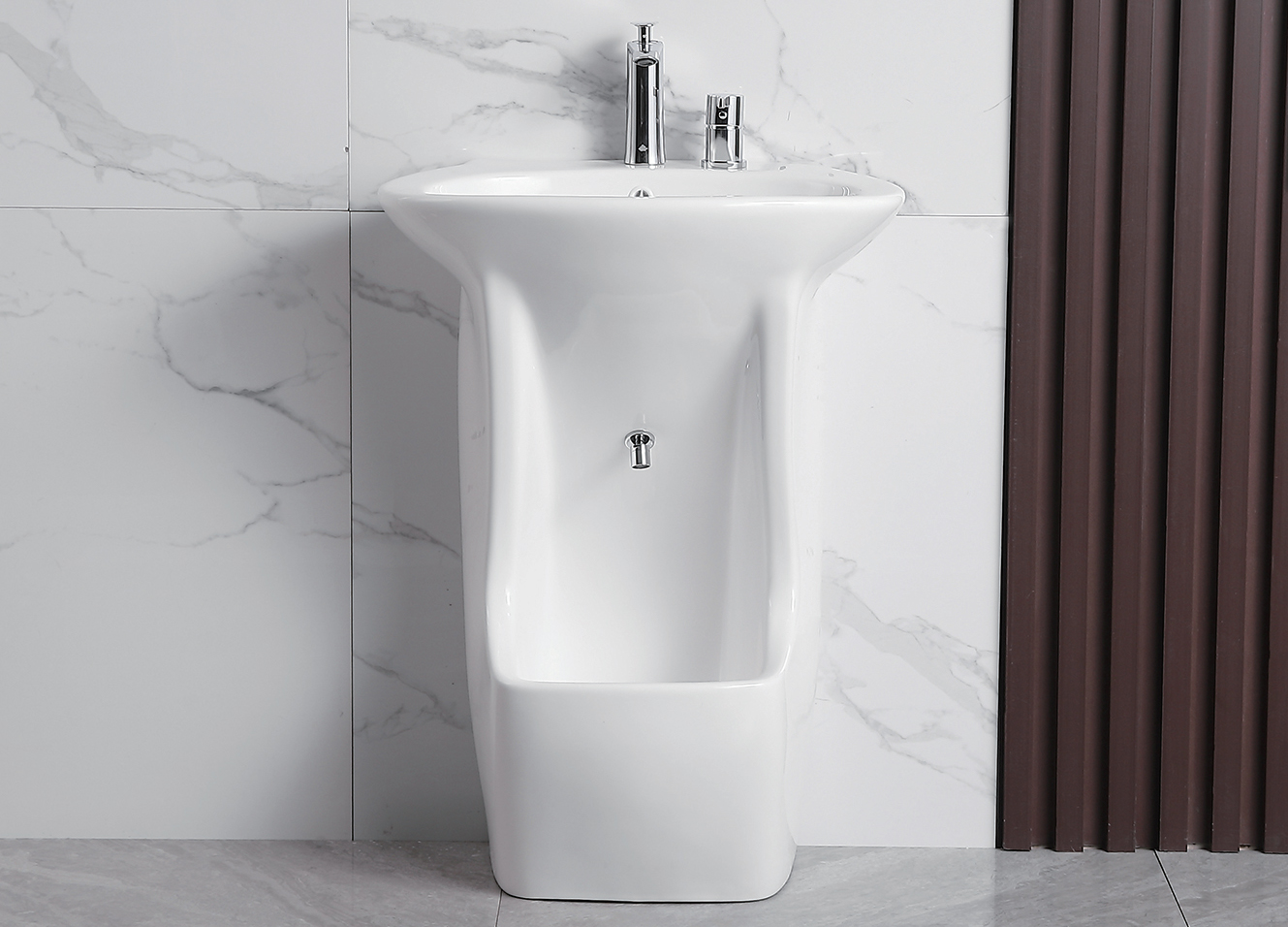
Wudu sinks with foot wash are specifically designed to address these challenges by combining hand and foot washing in a single, ergonomic unit. Their thoughtful layout ensures that water flows efficiently, reducing splashing and preventing pooling around the basins. With the ability to serve multiple users simultaneously, these sinks streamline the wudu process while maintaining a clean environment. The inclusion of a dedicated foot-washing section also minimizes the risk of cross-contamination, enhancing overall sanitation in high-traffic areas.
Choosing a Quality Wudu Sink with Foot Wash
A well-designed Wudu sink with foot wash is a key factor in promoting cleanliness. These sinks are constructed from durable, non-porous materials that resist staining, bacterial growth, and water damage. Their smooth surfaces are easy to clean and disinfect, making routine maintenance more efficient. Proper installation, following manufacturer guidelines, ensures that water drains effectively and that each basin remains hygienic after repeated use. Investing in quality materials and design is critical for long-term cleanliness and durability.
Accessibility and User Comfort
An important aspect of maintaining hygiene is ensuring that the sinks are accessible and comfortable for all users. Proper height and spacing allow individuals of varying ages and mobility levels to perform wudu without bending or stretching uncomfortably. This ergonomic design not only supports proper wudu practice but also reduces the likelihood of accidental spills, keeping the surrounding area clean. Facilities that prioritize user comfort also demonstrate care for the community, encouraging respectful and consistent use of the sinks.
Efficient Layout for Large Congregations
For mosques hosting large congregations, the strategic placement of multiple wudu sinks with foot wash units enhances the flow of worshippers and minimizes crowding. Grouping sinks along corridors or near prayer hall entrances allows simultaneous use by several individuals, reducing waiting times and maintaining a tidy environment. Additionally, modern designs often incorporate sensor-operated faucets or manual taps that conserve water while supporting hygienic hand and foot washing practices.
Maintenance and Longevity
Durability and ease of maintenance are essential in high-traffic wudu areas. Wudu sinks with foot wash are designed to withstand frequent use, with surfaces that resist scratches, water stains, and bacterial buildup. Proper drainage systems and anti-splash features further protect surrounding floors and reduce cleaning requirements. Easy access to plumbing connections allows facility staff to perform routine checks and maintenance without disruption, ensuring that the sinks remain hygienic for years to come.
Conclusion
Promoting cleanliness in wudu areas is a priority for mosques and Islamic centers, and wudu sinks with foot wash play a crucial role in achieving this goal. By providing ergonomic, hygienic, and durable solutions, these sinks streamline the ritual cleansing process while reducing maintenance challenges. Proper installation, thoughtful placement, and attention to user comfort create a clean, welcoming environment for worshippers, demonstrating a commitment to both spiritual and practical needs.