Security Considerations When Using POS Peripherals
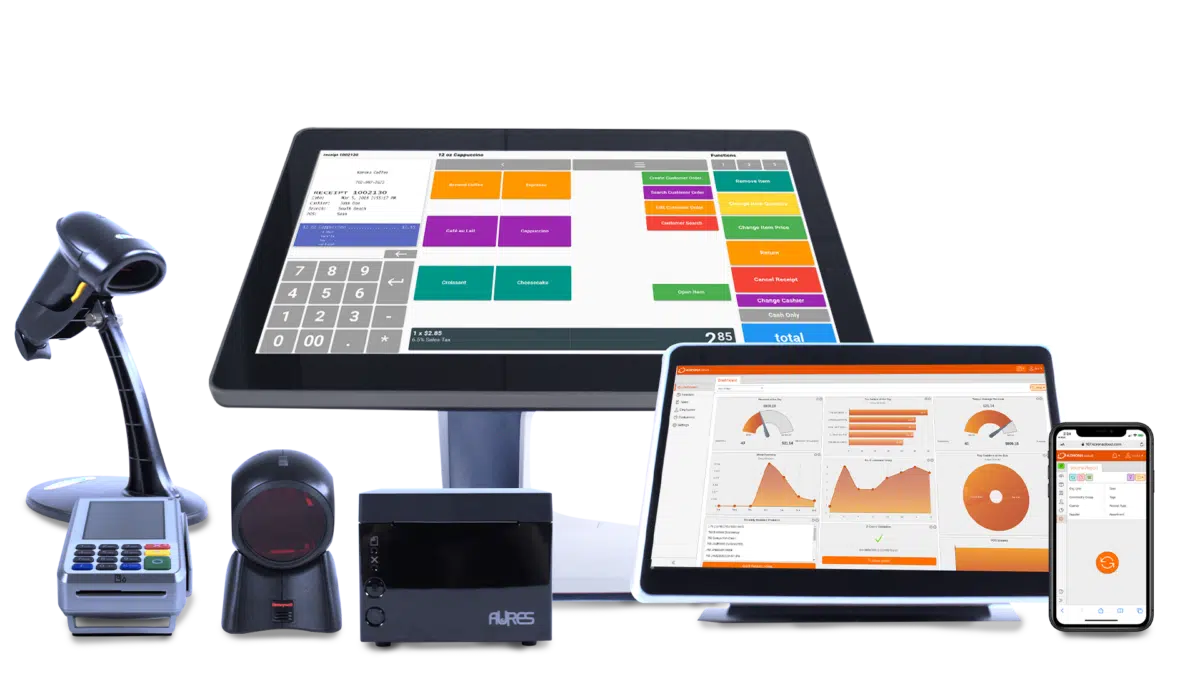
In today’s digital economy, Point of Sale (POS) systems are central to business operations in retail, hospitality, and service industries. While POS software manages transactions, inventory, and reporting, POS peripherals play a critical role in handling payments, customer interactions, and operational workflows. However, these devices can also be targets for security threats, including data breaches, skimming attacks, and unauthorized access. Understanding security considerations for POS peripherals is essential to protect sensitive customer information and maintain business integrity.
The Importance of Securing POS Peripherals
POS peripherals, such as card readers, barcode scanners, receipt printers, and cash drawers, are integral components of transaction processes. They transmit, store, and display sensitive information, including credit card data, personal identifiers, and transaction history. A breach in any peripheral can compromise the entire POS system, leading to financial losses, regulatory penalties, and reputational damage. A reliable POS Peripherals provider ensures that devices are built with security features and compliant with industry standards, offering businesses peace of mind when handling sensitive data.
Secure Payment Terminals
Payment terminals are among the most targeted POS peripherals. To ensure secure transactions, terminals must comply with standards such as the Payment Card Industry Data Security Standard (PCI DSS) and EMV protocols. EMV chip card readers reduce fraud by encrypting card data, while contactless NFC terminals allow secure mobile payments without exposing sensitive information. Businesses should avoid outdated terminals that lack encryption or vulnerability protections. Regularly updating firmware and monitoring transaction logs are also critical steps in maintaining terminal security.
Protecting Cash Drawers and Physical Security
Cash drawers are another critical POS peripheral requiring proper security measures. These devices should have robust locks and restricted access, allowing only authorized personnel to open them. Some systems integrate cash drawers with POS software to track transactions and record who accessed the drawer, providing accountability. Positioning cash drawers out of direct reach of customers and securing them to the countertop can prevent theft or tampering. Physical security is an essential complement to digital security protocols for a comprehensive approach.
Securing Receipt Printers and Customer-Facing Displays
Receipt printers and customer-facing displays may seem low-risk, but they can expose sensitive information if not handled securely. Printers that display full card numbers or personal identifiers on receipts increase the risk of data theft. To mitigate this, businesses should configure printers to mask sensitive data, such as showing only the last four digits of a card. Customer-facing displays should also be positioned to prevent shoulder surfing or unauthorized viewing, particularly in high-traffic areas. These precautions help protect both the business and its customers.
Network and Connectivity Security
Many POS peripherals rely on network connections, including wired Ethernet, Wi-Fi, or Bluetooth, to communicate with the main system. Unsecured networks can be exploited by hackers to intercept sensitive data or install malware. Using secure, encrypted connections and regularly updating network passwords is essential. Businesses should also segment POS networks from public Wi-Fi to prevent unauthorized access. Firewalls, intrusion detection systems, and VPNs can further enhance security for connected peripherals.
Employee Access Control
Unauthorized employee access is a common security risk for POS peripherals. Devices such as payment terminals, cash drawers, and administrative consoles should require authentication through passwords, PINs, or biometric verification. Limiting permissions based on roles ensures that only authorized staff can perform sensitive functions like refunds, voids, or system configuration. Logging and monitoring access helps detect irregular activity and strengthens accountability.
Anti-Tampering Measures
POS peripherals can be physically tampered with to compromise security, such as installing skimming devices on card readers. Businesses should routinely inspect payment terminals and peripheral hardware for signs of tampering. Tamper-evident seals, secured screws, and anti-skimming devices provide an additional layer of protection. Staff training is also critical, as employees need to recognize signs of tampering and respond appropriately.
Regular Software Updates and Patch Management
Maintaining updated software on all POS peripherals is essential to protect against vulnerabilities. Manufacturers frequently release patches to address security weaknesses, improve encryption, and prevent malware attacks. Neglecting updates can leave peripherals exposed to cyber threats. Businesses should implement a routine schedule for checking and applying updates, ensuring that both hardware and software remain secure and compliant.
Conclusion
POS peripherals are vital components of modern business operations, but they also present potential security risks if not properly managed. From payment terminals and cash drawers to receipt printers and customer displays, each device requires specific security measures to protect sensitive data and prevent unauthorized access. Network security, access control, anti-tampering measures, and regular software updates are all critical elements of a comprehensive security strategy. By prioritizing security considerations for POS peripherals, businesses can safeguard customer information, maintain operational integrity, and build trust in an increasingly digital commerce environment.