
Selecting the Best Hand Embroidery Fabric for Detailed Craftwork
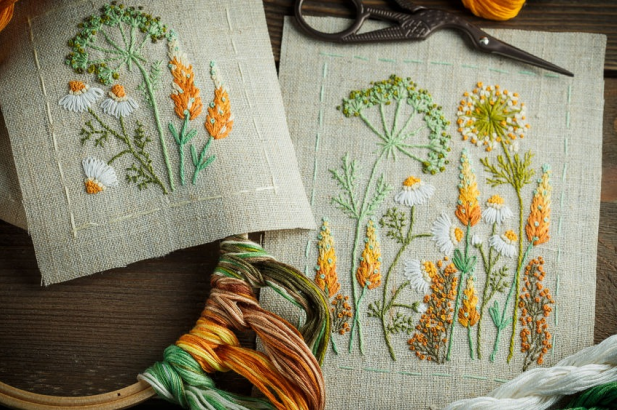
Hand embroidery is a meticulous craft that requires precision, patience, and careful material selection. Among these factors, choosing the right fabric is one of the most critical decisions, as it directly impacts stitch accuracy, design clarity, and overall durability. The ideal hand embroidery fabric provides a stable surface while complementing the thread and design techniques used by artisans.
When considering options for Hand Embroidery Fabric, it is important to evaluate factors such as fiber composition, weave density, texture, and weight. High-quality fabrics enhance stitch definition, maintain tension, and prevent distortion, making them essential for detailed craftwork. The right fabric allows embroidery to remain visually precise and structurally sound over time, even with intricate patterns and delicate motifs.
Fiber Composition and Stitch Compatibility
The choice of fiber affects both the feel of the fabric and its ability to hold stitches. Natural fibers such as cotton, linen, and silk are commonly preferred due to their softness, breathability, and consistent tension under needlework. Cotton offers ease of handling, while linen provides a firmer structure that supports precise stitch placement. Silk, although delicate, adds elegance and is suitable for fine detailing when handled carefully.
Blended fabrics may offer additional benefits, such as increased durability or slight elasticity, but they require consideration of how threads interact with the base material. Understanding fiber characteristics helps artisans select a fabric that maintains stitch accuracy throughout the embroidery process.
Weave Density and Design Precision
Weave density is critical for achieving consistent hand embroidery. Tightly woven fabrics provide a smooth surface, preventing stitches from slipping or distorting. This allows for intricate patterns to retain sharp edges and even spacing. Fabrics with a regular weave are particularly advantageous for counted-thread techniques, such as cross-stitch or blackwork, where alignment and uniformity are key.
Looser weaves can create an uneven stitch surface, making it challenging to achieve detailed designs. For delicate or fine embroidery, selecting a fabric with a balanced and stable weave ensures that even small motifs are executed cleanly.
Fabric Weight and Handling
Fabric weight influences both ease of handling and the final appearance of the embroidery. Lightweight fabrics, such as fine cotton or voile, are ideal for delicate projects but may require additional stabilizers to prevent puckering or distortion. Medium-weight fabrics, including certain linens or canvas, provide stability for more complex designs without sacrificing flexibility.
Heavyweight fabrics can support dense stitching or textured embroidery but may limit needle movement and increase hand fatigue. Selecting the appropriate weight for the intended project ensures that artisans maintain control and achieve consistent stitch quality.
Surface Texture and Visual Effect
Surface texture affects the visual impact and tactile experience of embroidery. Smooth fabrics allow threads to sit evenly, highlighting detailed stitch work and enhancing precision. Textured fabrics, such as nubby linens or lightly brushed cottons, introduce visual interest but may require adjustments in stitch tension or thread type to maintain clarity.
Considering how the fabric surface interacts with light and color is also important. Smooth surfaces reflect thread colors evenly, while textured fabrics can create subtle shadowing effects, adding depth and dimension to the embroidery.
Durability and Long-Term Performance
High-quality hand embroidery fabric must withstand repeated handling, stretching, and washing. Durable fibers and stable weaves reduce fraying and distortion, preserving the design’s integrity over time. Properly selected fabrics ensure that embroidered motifs remain visually sharp and structurally sound, even after multiple uses or cleanings.
Stability is especially important for heirloom pieces, decorative linens, or wearable art, where longevity is a priority. Investing in durable fabric supports the preservation of intricate craftsmanship for years to come.
Compatibility with Threads and Embellishments
Different threads and embellishments interact uniquely with fabrics. Cotton threads pair well with natural fibers, creating smooth, defined stitches, while metallic or specialty threads may require tighter weaves to prevent snagging. Beads, sequins, and other decorative elements can add weight, so the fabric must be strong enough to support them without warping.
Evaluating the interplay between thread type, embellishments, and fabric ensures that hand embroidery remains precise and visually cohesive.
Testing and Preparing Fabric
Before beginning detailed embroidery, it is advisable to test fabric swatches. Small samples allow artisans to evaluate stitch behavior, tension, and compatibility with threads and designs. Pre-washing, ironing, and stabilizing the fabric can further enhance performance, ensuring a smooth and controlled embroidery process.
Conclusion: The Foundation of Quality Embroidery
Selecting the best hand embroidery fabric is a foundational step in producing detailed and lasting craftwork. By considering fiber composition, weave density, weight, texture, durability, and compatibility with threads, artisans can create embroidery that is precise, visually striking, and long-lasting. Careful fabric selection transforms hand embroidery from a simple craft into a refined and enduring art form.