The Fundamentals of Vision Inspection for Manufacturing Quality Assurance
Maintaining product quality is a cornerstone of successful manufacturing. Defective items not only result in financial loss but also damage brand reputation and customer trust. To address these challenges, manufacturers are increasingly relying on Vision Inspection systems, which provide automated, accurate, and efficient quality assurance.
Understanding Vision Inspection
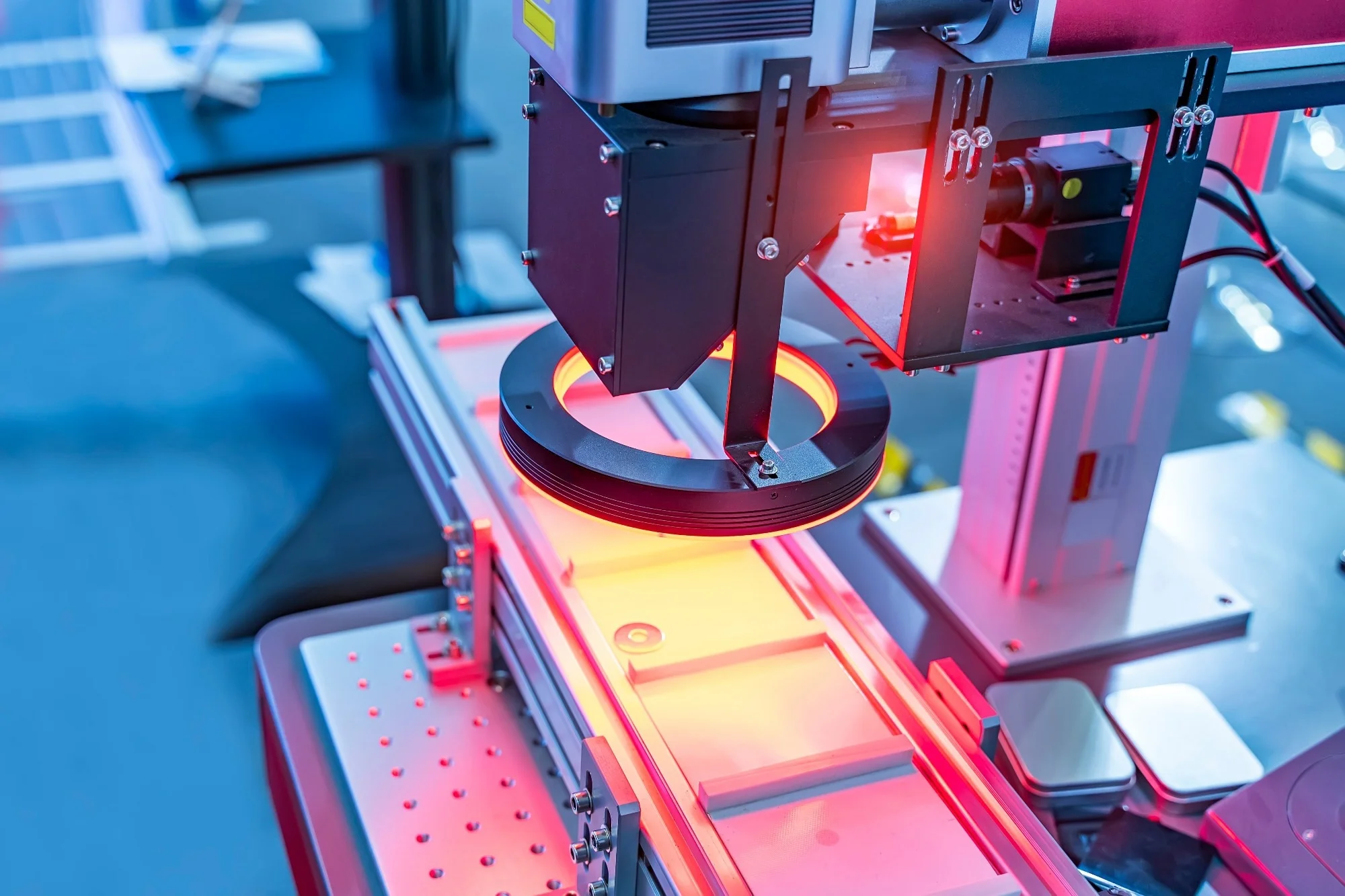
Vision inspection involves using cameras, sensors, and intelligent software to examine products and detect defects during manufacturing. These systems are capable of monitoring dimensions, surface quality, alignment, and other critical factors that determine product standards. Unlike manual inspection, which can be inconsistent and prone to human error, automated vision inspection offers high precision and reliability. Many production facilities incorporate a Vision Inspection system to enhance quality control and streamline operations.
Key Components of Vision Inspection Systems
Vision inspection systems typically consist of several essential components:
- High-Resolution Cameras: Capture detailed images of products for accurate defect detection.
- Lighting Systems: Ensure consistent illumination to reveal flaws that might be missed under normal lighting.
- Image Processing Software: Analyzes captured images to identify defects or deviations from set standards.
- Sensors and Actuators: Coordinate product movement and inspection timing for efficient line integration.
These components work together to detect defects such as scratches, misprints, color inconsistencies, misalignment, and dimensional inaccuracies.
Benefits of Vision Inspection in Manufacturing
Implementing vision inspection systems provides multiple advantages for manufacturers:
- Enhanced Accuracy: Automated inspection reduces the risk of human error and ensures consistent quality.
- Real-Time Monitoring: Continuous inspection allows for immediate detection and correction of defects.
- Reduced Waste: Early identification of defects minimizes scrap, rework, and production costs.
- Regulatory Compliance: Ensures products meet industry standards and reduces the risk of penalties or recalls.
- Data-Driven Insights: Systems generate reports and analytics to identify recurring issues and optimize production processes.
Applications Across Industries
Vision inspection systems are highly versatile and can be applied across various industries. In electronics, they check for component placement and solder quality. In packaging, they verify label accuracy and seal integrity. In pharmaceuticals, they ensure that bottles and blister packs are defect-free and properly labeled. This adaptability makes vision inspection indispensable in modern manufacturing environments.
Integration and Scalability
Vision inspection systems can be integrated at multiple stages of the production line, from assembly to final inspection. Their scalability allows manufacturers to inspect small components or large assemblies without slowing down production. Systems can be customized based on product type, production speed, and defect tolerance, ensuring maximum efficiency.
Conclusion
Vision inspection is a fundamental tool for maintaining quality assurance in manufacturing. By combining high-resolution imaging, intelligent software, and automated processes, these systems enhance accuracy, reduce waste, and support regulatory compliance. Implementing a vision inspection system allows manufacturers to maintain consistent product standards, optimize operations, and safeguard brand reputation, making it an essential investment for long-term success.