The Science Behind pH Sensor Electrode Functionality
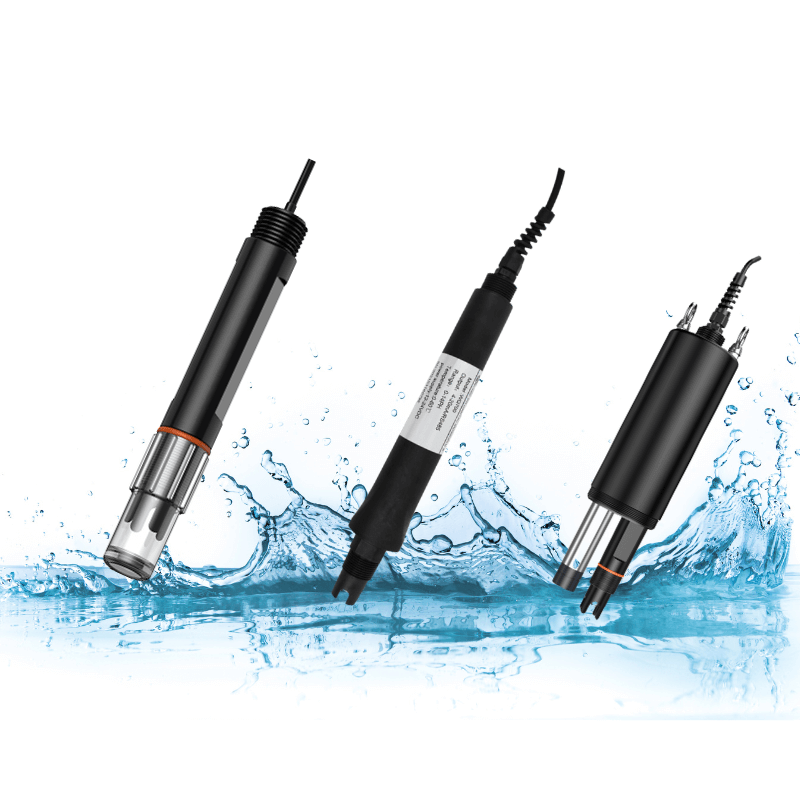
A pH sensor is a fundamental tool in chemistry, biology, environmental science, and industrial processes. Its ability to measure the acidity or alkalinity of a solution provides essential information for research, quality control, and process optimization. Central to its operation is the sensor electrode, a component whose function determines the accuracy and reliability of pH measurements.
Understanding the science behind electrode functionality begins with the concept of hydrogen ion concentration. The pH of a solution reflects the activity of hydrogen ions, which directly influences chemical reactions, biological processes, and water quality. A pH sensor electrode interacts with these ions, generating an electrical potential that can be measured and converted into a pH reading.
Modern pH sensors typically consist of a glass electrode and a reference electrode. The glass electrode contains a thin membrane that is selectively sensitive to hydrogen ions, allowing it to develop a voltage proportional to the concentration of ions in the solution. The reference electrode, usually filled with a stable solution like potassium chloride, provides a constant potential against which the glass electrode is compared.
Components of a pH Sensor Electrode
The two main components of a pH sensor electrode—the glass and reference electrodes—work together to provide accurate measurements. The glass electrode is specially formulated to allow hydrogen ions to exchange with ions in the glass matrix. This ion exchange creates a potential difference that varies according to the pH of the surrounding solution.
The reference electrode maintains a stable and known potential, typically using a saturated KCl solution. This stability is crucial because it ensures that the voltage measured by the pH meter reflects only the hydrogen ion concentration in the solution, without interference from changes in the reference potential. Together, these electrodes form an electrochemical cell capable of precise pH measurement.
How Electrode Functionality Translates to pH Measurement
When a pH sensor electrode is immersed in a solution, hydrogen ions interact with the glass membrane, producing a potential difference. This potential is then measured against the reference electrode. The resulting voltage is proportional to the logarithm of hydrogen ion activity, as described by the Nernst equation. This relationship enables the sensor to provide a quantitative pH reading with high precision.
The electrode’s response is highly sensitive, allowing it to detect minute changes in pH. This sensitivity makes pH sensors indispensable in laboratories, industrial processes, and environmental monitoring, where even small deviations can impact results or safety.
Factors Affecting Electrode Performance
Several factors can influence the functionality of pH sensor electrodes. Temperature changes, ionic strength of the solution, and exposure to extreme pH levels can affect the sensor’s response. Additionally, contamination or buildup on the glass membrane can lead to drift or slow response times.
Proper maintenance, including regular cleaning and calibration, is essential to maintain electrode performance. Following manufacturer guidelines for storage and handling ensures long-term reliability and accuracy. In applications where continuous monitoring is required, integrating the electrode with automated calibration systems can further enhance performance.
Applications in Various Industries
The science behind pH sensor electrode functionality underpins its wide range of applications. In water treatment, electrodes monitor pH levels to ensure safe and effective disinfection. In chemical manufacturing, they help control reaction conditions and maintain product quality. In the pharmaceutical and food industries, electrodes ensure that pH-sensitive formulations remain stable and effective.
Environmental monitoring also relies on pH sensor electrodes to track water quality, soil acidity, and pollution levels. By providing precise, real-time measurements, electrodes allow for timely interventions and informed decision-making in both research and operational settings.
Advantages of Understanding Electrode Science
A thorough understanding of electrode functionality allows users to optimize pH sensor performance. Knowledge of how the glass and reference electrodes interact with solutions informs proper calibration, maintenance, and storage practices. It also helps troubleshoot potential issues such as slow response, drift, or inconsistent readings.
Conclusion
The functionality of pH sensor electrodes is at the heart of accurate pH measurement. Through the interaction of the glass and reference electrodes, these sensors convert chemical activity into measurable electrical signals. Understanding the underlying science allows for proper maintenance, optimized performance, and reliable data across laboratory, industrial, and environmental applications. By mastering electrode principles, users can ensure precise and consistent pH monitoring for any application.