
The Ultimate Guide to Dog Toys: Types, Benefits & How to Choose
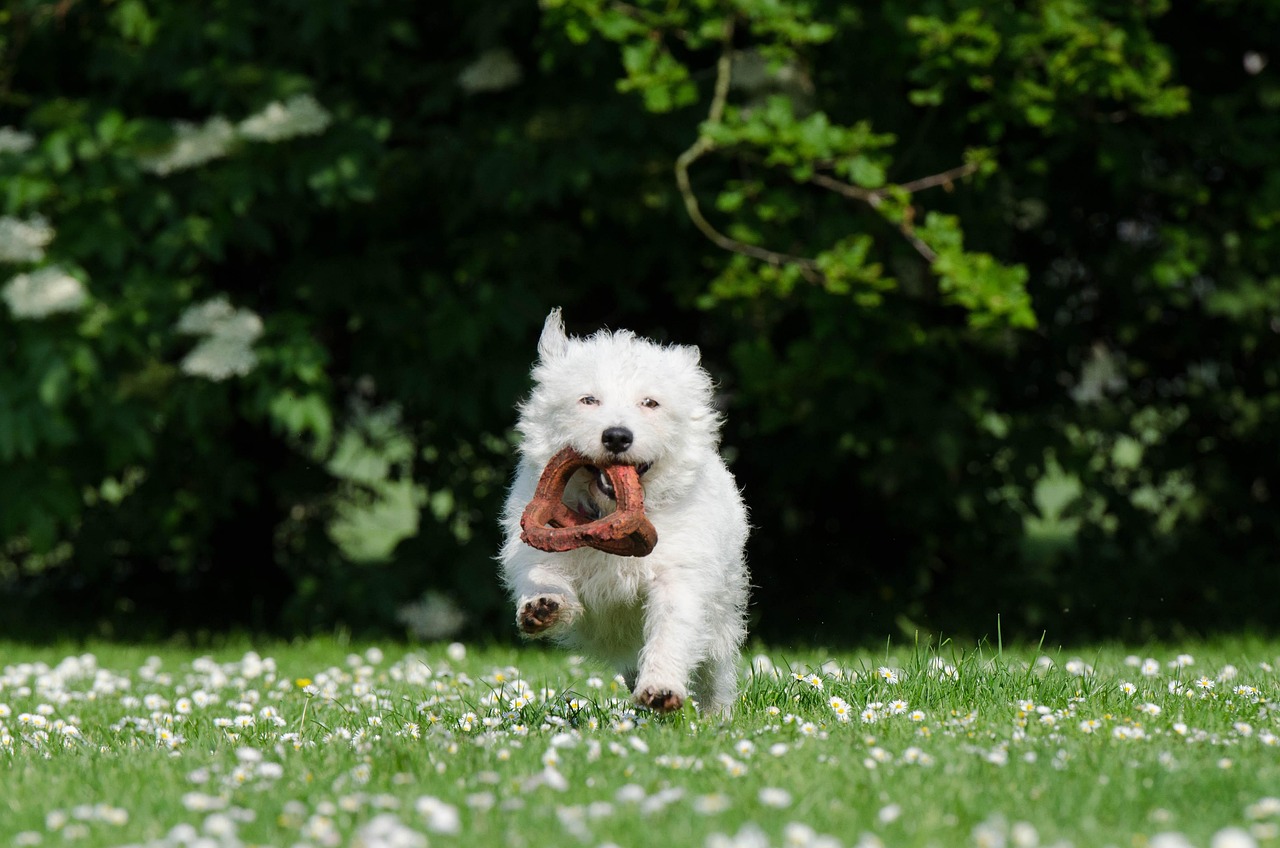
Dogs are playful, energetic, and curious animals that require both mental and physical stimulation. One of the best ways to keep your dog happy, healthy, and well-behaved is by providing dog toys. From chewing and fetching to interactive and puzzle toys, the right toys offer a wide range of benefits. This ultimate guide will help you understand the types of dog toys, their benefits, and how to choose the best ones for your furry friend.
Why Dog Toys Are Important
Dog toys are more than just entertainment—they play a vital role in your dog’s physical, mental, and emotional health. Regular use of toys can:
- Encourage exercise and maintain a healthy weight
- Reduce stress and anxiety
- Prevent destructive behaviors like chewing furniture or excessive barking
- Stimulate mental development and problem-solving skills
- Strengthen the bond between you and your dog
By understanding the different types of toys and their benefits, you can make better choices for your dog’s needs.
Types of Dog Toys
1. Chew Toys
Chew toys are designed to satisfy your dog’s natural urge to chew. They help:
- Strengthen jaws
- Clean teeth and gums
- Relieve teething discomfort in puppies
- Reduce destructive chewing
Durable materials like rubber or nylon are ideal for heavy chewers.
2. Fetch Toys
Balls, frisbees, and other throw toys are perfect for dogs that love chasing and retrieving. Fetch toys help:
- Improve cardiovascular health
- Burn off excess energy
- Encourage active playtime with owners
3. Tug Toys
Rope toys or tug toys are excellent for interactive play. Tug-of-war games:
- Strengthen muscles
- Improve coordination
- Build trust and bonding between you and your dog
4. Puzzle & Interactive Toys
Puzzle toys challenge your dog mentally and physically. Many dispense treats when solved, promoting problem-solving and focus. Benefits include:
- Mental stimulation
- Reduced boredom
- Slower eating habits for food-motivated dogs
5. Plush & Comfort Toys
Soft toys provide comfort and companionship, especially for puppies or anxious dogs. They are suitable for:
- Snuggling
- Gentle play
- Reducing stress
Benefits of Using Dog Toys
- Physical Health: Encourage running, jumping, and chewing to improve fitness.
- Mental Health: Keep your dog mentally sharp through puzzles and interactive play.
- Behavior Management: Reduce destructive or attention-seeking behaviors by redirecting energy.
- Training Aid: Use toys as positive reinforcement during training sessions.
- Bonding: Playtime strengthens your relationship with your dog.
How to Choose the Right Dog Toys
When selecting dog toys, consider the following:
- Size and Breed: Large dogs need bigger, stronger toys, while small dogs need smaller, lighter toys.
- Age and Life Stage: Puppies need teething toys, adults need durable toys, and senior dogs may prefer softer options.
- Chewing Strength: Heavy chewers require indestructible toys, while light chewers can enjoy plush or rubber toys.
- Purpose: Decide if the toy is for exercise, mental stimulation, comfort, or training.
- Safety: Always avoid toys with small parts that can be swallowed, and choose non-toxic materials.
- Variety: Rotate toys regularly to prevent boredom and maintain interest.
Conclusion
Dog toys are essential tools for keeping your pet happy, healthy, and engaged. By understanding the different types of toys, their benefits, and how to choose the right ones, you can provide your dog with the stimulation and exercise they need every day. Investing in high-quality, safe, and engaging toys not only improves your dog’s physical and mental well-being but also strengthens the bond between you and your furry companion. A well-stimulated dog is a happy dog, and the right toys make all the difference.