Trends in Water Soluble Film Technology

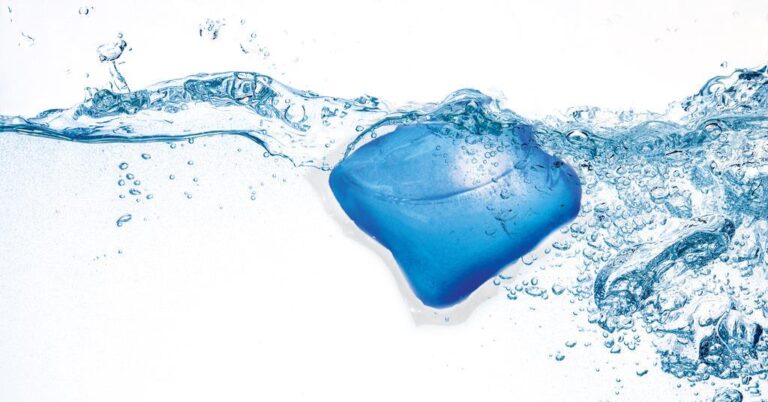
Water soluble film technology has rapidly evolved over the past decade, driven by increasing environmental concerns, regulatory pressures, and growing demand for convenience in both consumer and industrial applications. Unlike conventional plastic packaging, water soluble films dissolve completely in water, offering a sustainable solution for packaging detergents, chemicals, pharmaceuticals, and agricultural products. The industry is witnessing significant innovations aimed at improving film performance, environmental impact, and versatility.
At the core of this technology is polyvinyl alcohol (PVA), which provides both strength and water solubility. Manufacturers have refined the composition of these films by incorporating plasticizers, stabilizers, and surfactants to optimize flexibility, durability, and dissolution rates. Leading companies like Polyva are at the forefront of these developments, producing high-quality water soluble films designed for a wide range of applications. These films not only meet industry standards for performance but also align with global sustainability initiatives.
Enhanced Biodegradability and Sustainability
One of the most significant trends in water soluble film technology is the focus on biodegradability and environmental responsibility. While traditional PVA-based films are water soluble, recent innovations have enhanced their biodegradation under natural conditions, reducing environmental impact even further. Researchers are developing formulations that break down completely in soil or water, leaving minimal residues and supporting circular economy practices.
Sustainability trends are also influencing product design. Companies are reducing the use of synthetic additives, adopting renewable raw materials, and optimizing film thickness to minimize material consumption. These efforts not only meet consumer demand for eco-friendly products but also help industries comply with increasingly strict environmental regulations.
Advanced Mechanical Properties
Water soluble films are evolving to offer improved mechanical properties without compromising solubility. Early versions of PVA films were prone to brittleness, tearing, or difficulty in handling during production. Modern films incorporate advanced plasticizers and stabilizers that enhance flexibility, tensile strength, and elongation. These improvements ensure that the films can withstand automated packaging processes, transport, and storage while maintaining controlled dissolution when in contact with water.
Enhanced mechanical properties are particularly important for industrial applications, such as packaging concentrated chemicals, agricultural fertilizers, or detergents, where durability and reliability are essential. Consumer products, including laundry pods and dishwasher tablets, also benefit from stronger films that resist accidental tearing during handling.
Controlled Dissolution and Customization
A major trend in water soluble film technology is the ability to tailor dissolution rates to meet specific application needs. By adjusting the molecular weight, degree of hydrolysis, or additive composition of PVA, manufacturers can create films that dissolve rapidly or gradually depending on the product requirements.
Rapid dissolution is ideal for household detergents, personal care products, and pharmaceutical doses, ensuring the contents are released quickly and efficiently. Slow or controlled dissolution is advantageous for agricultural or industrial applications, where a gradual release of fertilizers or chemicals improves efficiency and minimizes environmental impact. Customizable films allow industries to optimize performance for diverse applications, expanding the versatility of water soluble packaging solutions.
Integration with Functional Additives
Another emerging trend is the incorporation of functional additives into water soluble films. These may include fragrances, vitamins, enzymes, or nutrients that enhance the product’s performance or add value to consumer applications. For example, laundry pods may include enzymes that boost cleaning efficiency, while agricultural films can contain micronutrients for soil enrichment.
The integration of functional additives requires careful testing to ensure compatibility with the PVA matrix and to maintain predictable dissolution. This trend reflects the growing demand for multifunctional products that combine convenience, effectiveness, and environmental benefits.
Smart Packaging and Technological Innovations
The future of water soluble films is closely tied to innovations in smart packaging and digital integration. Research is ongoing into films that change color to indicate product integrity, moisture exposure, or expiration. Such features can enhance consumer confidence and improve safety, particularly for pharmaceuticals and chemicals.
Technological advancements in extrusion, casting, and lamination techniques also enable high-precision production of water soluble films with uniform thickness, enhanced barrier properties, and consistent performance. Automation and improved quality control systems are helping manufacturers scale up production while maintaining reliability and safety.
Market Growth and Adoption
Water soluble film technology is gaining significant traction in both industrial and consumer markets. Rising awareness of environmental issues, coupled with regulatory support for sustainable materials, is encouraging adoption across industries. Detergents, personal care, pharmaceuticals, and agriculture are leading the way, with expanding applications in chemicals, single-dose products, and packaging innovations.
Companies that invest in research and development of high-performance, eco-friendly water soluble films, like Polyva, are positioned to lead this growing market. Their products meet the dual demand for sustainability and convenience, providing industries with practical solutions that reduce environmental impact and improve efficiency.
Conclusion
Water soluble film technology is evolving rapidly, driven by sustainability, mechanical improvements, controlled dissolution, functional additives, and smart packaging innovations. These trends are transforming how industries approach packaging, offering solutions that are both environmentally responsible and highly functional. With advancements from leading manufacturers such as Polyva, water soluble films are becoming a versatile, reliable, and sustainable option for industrial and consumer applications. As the technology continues to develop, the adoption of water soluble films is expected to expand, reshaping packaging practices across multiple sectors and supporting global efforts toward a greener future.