
Understanding Tooth Removal During Orthodontic Treatment: What You Should Know
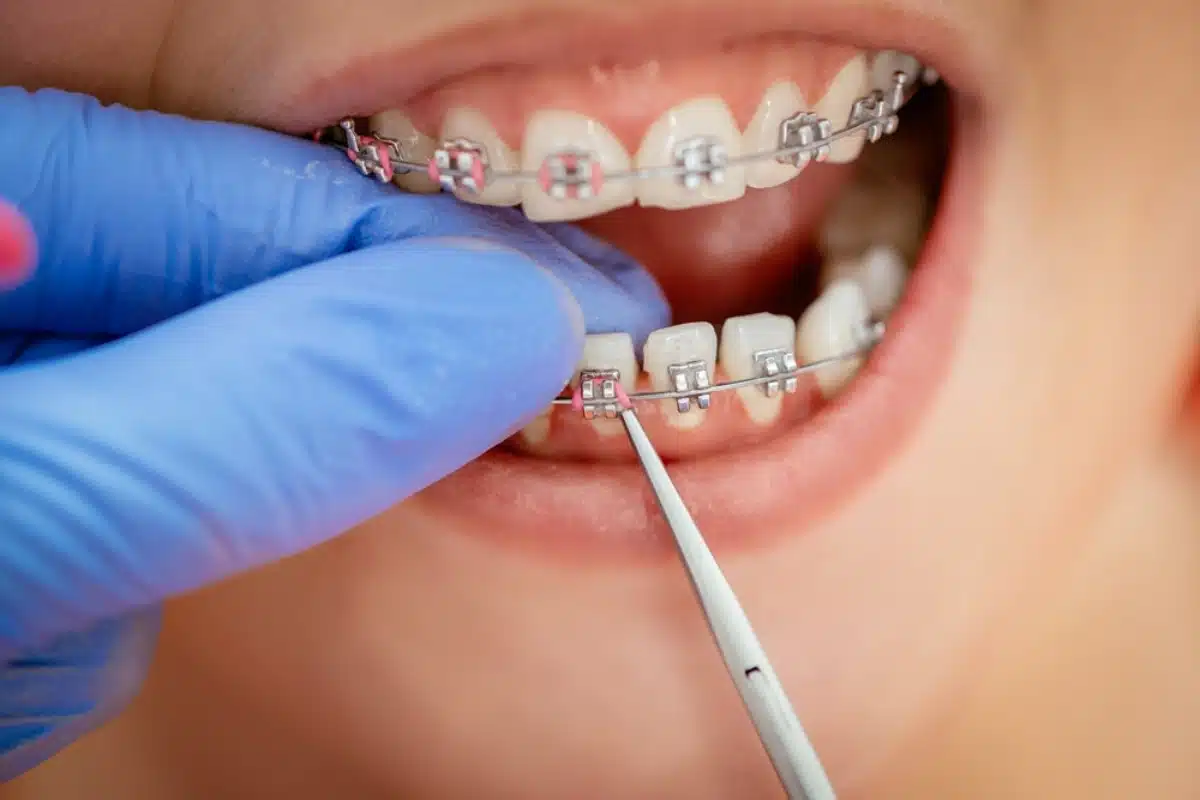
Orthodontic care is not just about making teeth look straight; it is about creating harmony between teeth, jaws, and facial structure. While many treatments involve aligning teeth without removing any, there are situations where extra steps are required to achieve a healthy and stable result. One such step is tooth extraction as part of a braces treatment plan, which often raises questions and concerns for patients and parents alike.
In some orthodontic cases, braces tooth extraction is recommended to manage space limitations, correct bite problems, and support long-term oral health. This approach is not chosen lightly and is only suggested when it offers clear advantages over non-extraction methods.
Why Tooth Extraction May Be Recommended
Tooth removal during orthodontic treatment is a strategic decision based on dental structure, jaw size, and alignment goals. The primary aim is to create enough space for teeth to move into proper positions without compromising stability.
Managing Overcrowded Teeth
One of the most common reasons for extraction is severe crowding. When the jaw is too small to fit all teeth comfortably, forcing them into place without space can lead to instability, gum issues, and relapse after treatment. Removing selected teeth allows the remaining ones to align naturally.
Correcting Bite Irregularities
Bite problems such as deep overbite, crossbite, or excessive protrusion sometimes cannot be corrected with braces alone. Creating space through extraction helps guide teeth into positions that improve function and reduce uneven pressure on the jaw.
Supporting Facial Balance
In some cases, protruding front teeth can affect facial profile. A carefully planned extraction can help move teeth backward, contributing to a more balanced and natural appearance.
Which Teeth Are Usually Removed
Not all teeth are equally suitable for removal. The choice depends on how extraction will affect alignment, function, and aesthetics.
Premolars
Premolars are the most frequently selected teeth for orthodontic extraction. Their position allows space to be created without significantly impacting chewing ability or smile appearance.
Wisdom Teeth
Wisdom teeth may be removed if they contribute to crowding or interfere with orthodontic movement, although they are not always part of the main treatment plan.
Compromised Teeth
In rare situations, teeth that are heavily damaged, decayed, or poorly positioned may be chosen instead of healthy teeth.
The Step-by-Step Process
Understanding how extraction fits into orthodontic care can reduce anxiety and help patients feel more prepared.
Detailed Assessment
Before recommending extraction, orthodontists conduct thorough evaluations using X-rays, digital scans, and bite analysis. This ensures that removal is necessary and beneficial.
Safe Extraction Procedure
Tooth extraction is typically performed under local anesthesia. The procedure is routine, and most patients experience minimal discomfort during and after the process.
Healing and Adjustment
After extraction, a short healing period allows the gums to recover. Once healing begins, braces are adjusted gradually to move teeth into the newly created space.
What to Expect During Treatment
Life with braces and extraction is manageable when patients know what to expect and how to care for their teeth.
Initial Discomfort
Mild soreness or pressure is normal after extractions and brace adjustments. This usually subsides within a few days and can be managed with basic pain relief methods.
Oral Hygiene Practices
Maintaining good oral hygiene is especially important when gaps are present. Gentle brushing, flossing, and rinsing help prevent infection and keep gums healthy.
Temporary Dietary Changes
Soft foods are recommended immediately after extraction. As healing progresses, patients can slowly return to their normal diet while avoiding very hard or sticky foods.
Long-Term Benefits of Extraction-Based Treatment
Although the idea of removing teeth can seem intimidating, the long-term benefits often make the decision worthwhile.
Improved Stability
Creating sufficient space allows teeth to settle into positions that are less likely to shift after braces are removed, reducing the chance of relapse.
Better Oral Health
Proper alignment makes cleaning easier, lowering the risk of cavities, gum disease, and uneven wear on teeth.
Enhanced Comfort and Function
A balanced bite reduces strain on jaw muscles and joints, making chewing and speaking more comfortable over time.
Addressing Common Concerns and Myths
Many fears about orthodontic extraction stem from misconceptions rather than facts.
Fear of Gaps
Some patients worry that extraction will leave visible spaces. In orthodontic treatment, gaps are temporary and are gradually closed as teeth move into alignment.
Concern About Weakening Teeth
Removing selected teeth does not weaken the mouth. The remaining teeth adapt and function efficiently once treatment is complete.
Belief That Extraction Is Outdated
Extraction is not an outdated practice but a selective one. Modern orthodontics focuses on individualized plans rather than avoiding extraction at all costs.
Who May Benefit From This Approach
Not every patient requires tooth removal during orthodontic care. Suitability depends on factors such as:
- Degree of crowding
- Jaw size and shape
- Bite alignment
- Facial structure
- Growth stage in younger patients
A personalized assessment ensures that treatment recommendations are based on individual needs rather than general assumptions.
The Importance of Professional Planning
Orthodontic treatment decisions should always be guided by professional expertise. Attempting to compare cases online or rely on general opinions can create unrealistic expectations.
Clear communication, detailed planning, and regular monitoring are essential for achieving the best outcome, especially when extraction is part of the treatment plan.
Final Thoughts
Tooth extraction as part of orthodontic treatment is a carefully considered solution aimed at achieving healthy alignment, functional balance, and long-lasting results. While the concept may feel overwhelming at first, understanding the purpose behind it often brings clarity and reassurance.
With proper guidance, patience, and adherence to care instructions, patients can achieve a confident smile and improved oral health. The key is focusing on the long-term benefits and trusting a treatment plan designed specifically for individual needs.